


The decision, announced by Finance Minister Cassiel Ato Forson, brings Ghana’s producer price closer to prevailing international levels after benchmark cocoa prices slid to around $4,000 per tonne, roughly half their level a year ago.
“The current situation is largely driven by the unwillingness of buyers to purchase Ghana’s cocoa because it has become uncompetitive and very expensive,” Forson told journalists.
The pricing mismatch left significant volumes of beans unsold and triggered payment delays that have strained thousands of farming households. Farmers reported difficulties covering food costs, school fees, and essential farm upkeep as arrears mounted.
In response, the cabinet has directed the Ghana Cocoa Board (COCOBOD) to begin immediate repayment of outstanding amounts owed to farmers.
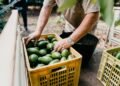

Ghana targets 50% local processing
The government also unveiled a new financing model that will rely on domestic cocoa bonds issued and managed by the regulator, with repayments tied to sales proceeds within the same crop year.
Accra plans to introduce legislation linking farmgate prices to international benchmarks while ensuring that farmers receive at least 70 percent of the gross Free on Board price.
A coalition of cocoa farmers has indicated it would accept lower future prices provided arrears are cleared promptly.
Beyond pricing reforms, the government signalled a push to deepen value addition. Ghana currently processes between 30 and 40 percent of its beans domestically and aims to increase that to at least 50 percent by the 2026 to 2027 crop season, including reviving the state-owned Cocoa Processing Company to support the expansion.


