Building on the success of the International Year of Pulses in 2016, led by the Food and Agriculture Organization of the United Nations (FAO), 10 February was designated as World Pulses Day, to be commemorated each year.


– ADVERTISEMENT –
According to the FAO, World Pulses Day presents a rare opportunity to educate the public about pulses and the important role they play in achieving resilient and sustainable food systems.
This year’s theme, ‘Pulses of the world: from modesty to excellence’, aims to challenge misconceptions about these crops on the one hand and simultaneously celebrate their value for farmers and consumers alike.
READ Indigenous and drought-hardy summer crops for profitability
From improving human health to strengthening soil ecosystems, pulses merit a central place in modern, healthy, and sustainable diets, the FAO says on its website.
In its pulses fact sheet, the organisation stresses that pulses can play an important role in achieving the goals of the 2030 Agenda on Sustainable Development, particularly those pertaining to food security and nutrition, health, sustainable consumption, production, and climate change.
What are pulses, and why are they so important?
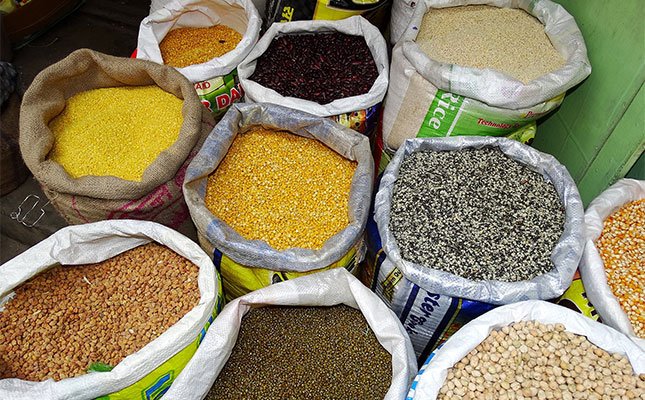
Pulses are a subgroup of legumes from the Fabaceae (or Leguminosae) family and are known for their nutritional value. Common pulses include dry beans, lentils, chickpeas, and peas. Oilseeds like soya bean and groundnuts, however, are not considered pulses.
Given the many benefits pulses offer to the soil, the FAO advocates planting them in rotation with staple crops to improve soil health and help produce more nutritious food. Bouziane stated that Africa, in particular, could benefit from wider pulse production, as they are well suited to arid climates and could improve the performance of other staple crops.
READ Farming with friends: Marman’s companion planting philosophy
Pulses form an important part of the diet in South Africa and are also exported to international markets, contributing significantly to the country’s agricultural economy.
According to a market report by 6Wresearch, published in January 2022 and updated in August 2025, the South African pulses market is experiencing growth driven by changing dietary preferences and increasing awareness of the health benefits associated with pulse consumption.
“Pulses, including lentils, chickpeas, and beans, are rich sources of protein, fibre, and micronutrients, making them essential components of a balanced diet, ” the report summary states.
According to Dean Miller, corporate affairs manager for AGT Foods Africa, from a South African agricultural perspective, the pulses market remains relatively underdeveloped compared with major grain and oilseed crops. However, it is steadily gaining momentum as producers and consumers recognise its agronomic and nutritional value.
“In South Africa, pulses are still a smaller part of the overall cropping picture compared with maize, wheat, or oilseeds, but there’s steady growth as farmers look for smarter, more sustainable rotation options,” he told Farmer’s Weekly.
He added that pulses offer significant crop rotation benefits, particularly due to their natural nitrogen-fixing ability, which improves soil fertility and reduces reliance on synthetic fertilisers in subsequent planting cycles.
READ Crop rotation is key in vegetable and crop production
Pulses obtain more than 60% of their nitrogen from the air, which is then fixed in the soil, allowing the legumes to share the nitrogen with nearby or follow-up crops.
Pulses’ roots increase soil biota, which in turn enhances the soil’s capacity to provide nutrients to plants.
In addition, pulses can naturally mobilise phosphorus, which is essential for converting sunlight into energy for plant growth, as well as other nutrients and micronutrients in the soil, contributing to healthier crops.
“Pulses contribute to improved soil structure, moisture retention, and overall farm sustainability. From a market standpoint, increasing local and export demand for plant-based proteins continues to create new opportunities for growers.
“As climate resilience and input cost pressures become more critical, pulses present a viable, economically sensible rotation option within South African farming systems,” Miller said.
International market opportunities for South African farmers
“From AGT Foods Africa’s side, we are seeing rising interest in these crops both locally and for export. Key markets include the Middle East, the Indian subcontinent, and certain European regions, where demand for plant-based proteins continues to grow.
“This demand is opening doors for South African growers who are willing to diversify and include pulses in their rotations,” he explained.
READ Cautious outlook for dry beans
Miller added that pulses are the powerhouses of nutrition and form the foundation of meals enjoyed across cultures for centuries.
“Whether it is a comforting lentil dhal, crispy roasted chickpeas, a hearty bean stew, or a fresh hummus spread, pulses prove that simple ingredients can deliver extraordinary flavour and nutrition.
“[World Pulses Day] is a reminder that eating well does not have to be complicated. Sometimes, the smallest foods make the biggest difference,” he concluded.
Key facts about pulses, according to the FAO
- Approximately 20 million tons of pulses are traded globally each year.
- The first cultivated pulses were bitter vetch, chickpeas, lentils, and peas.
- In 2024, 97 million tons of pulses were produced worldwide.
- Global annual consumption of pulses averages 7kg per capita, with the highest consumption in Africa (11kg per capita) and the lowest in Europe (3,53kg per capita).
- Peas are the most produced pulses in the EU, reaching 2,2 million tons in 2024.
- India tops global pulse production at 25,3 million tons in 2024.
- In 2024, Canada dedicated 1,6 million hectares to lentil production alone.
- Brazil leads South American production with three million tons of pulses in 2024.
- Nigeria is Africa’s largest contributor, producing 4,3 million tons in 2024.
Get trusted farming news from Farmers Weekly in Google Top Stories.
➕ Add Farmers Weekly to Google
✔ Takes 10 seconds · ✔ Remove anytime