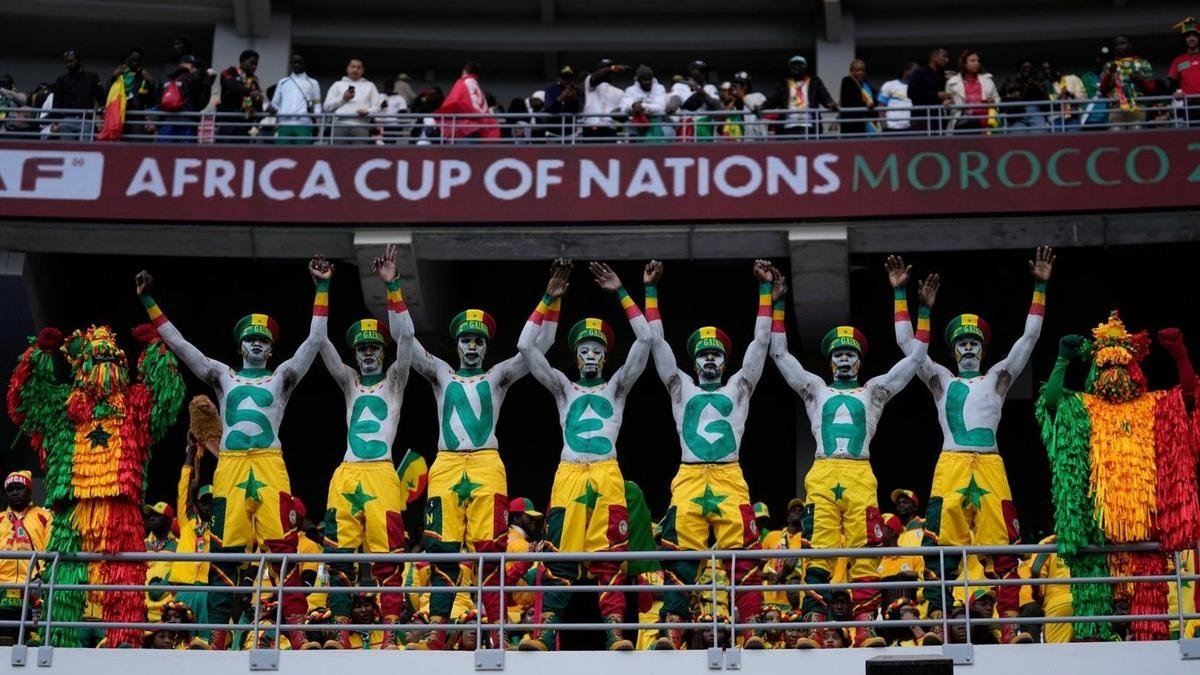
- Sport tourism is big business. Yet Africa has historically underutilised it. The sooner the continent strategically harnesses these opportunities, the better.
- Africa’s sport sector currently contributes roughly 0.5 per cent of continental GDP, and industry analyses project that the sports economy could reach US$20 billion by 2035.
Football. The Beautiful Game. The World Game. It is no overstatement to say that our continent adores football, with an estimated 59 per cent of Africans watching the sport more than once a week.
Africa’s sporting picture is, however, much more inclusive than that. Athletics enjoys a large following, especially in East Africa where Kenya and Ethiopia are global powerhouses, while in Southern Africa rugby and cricket remain major draws. Basketball is the fastest-growing sport on the continent, and boxing as well as combat sports are staples for an increasing number of fans.
Africa’s sport sector currently contributes roughly 0.5 per cent of continental GDP, and industry analyses project that the sports economy could reach US$20 billion by 2035, a remarkable increase from the current US$12 billion.
But is the continent’s tourism sector reaping the rewards? Both the formal and informal African tourism sectors are increasingly aware of the significant revenue potential embedded in sport tourism.
Africa’s sport tourism is big business
Sport tourism is big business. Yet Africa has historically underutilised it. The sooner the continent strategically harnesses these opportunities, the better.
According to Prof. Esmarie Myburgh from the research unit Tourism Research in Economics, Environs and Society (TREES) at the North-West University (NWU) in South Africa, the United Nations World Tourism Organisation highlights that sport tourism is expected to grow by an estimated 17.5 per cent between 2023 and 2030 and already accounts for approximately 10 per cent of global tourism expenditure.
“Sport tourism can address several challenges in Africa’s leisure tourism sector, particularly by reducing seasonality and spreading tourism benefits more evenly. Unlike traditional leisure tourism, which is often concentrated in peak periods and major destinations, sport events can take place throughout the year and often in smaller towns, creating valuable economic activity,” she explains.
Sporting events across Africa already demonstrate this potential, drawing millions of spectators annually and generating significant spending on accommodation, transport, food, retail and local attractions. School and grassroots sport events also create a notable tourism footprint by encouraging domestic travel and raising awareness of lesser-known destinations.
“Internationally, sport tourism is a strong driver of destination branding. High-profile events linked to world-class African teams and athletes receive global media coverage that positions African destinations as capable and attractive hosts, often reaching new tourism markets,” she notes.
Prof. Myburgh further emphasises that sport tourism rarely results in once-off visits. Sport tourists who attend or participate in events are often motivated to return later for leisure travel with family or friends.
“Sport tourism therefore often acts as a gateway that broadens the tourism economy beyond the initial event visit,” she says.
“From an economic perspective, sport tourism generates spending across accommodation, transport, food, retail and attractions. Major events have strong direct impacts, but even smaller events can stimulate local economies while supporting jobs and small businesses.”
“The social role of sport tourism should also not be underestimated. It brings people together across cultural and social divides, fosters national pride and contributes to social cohesion in ways few other tourism products can.”
Read also: Forest tourism: Tanzania takes key lessons from China’s success story
Sustainable sport tourism offering
Another advantage is that many sport tourism events can make use of existing infrastructure and tourism facilities. However, across parts of the continent, maintenance, accessibility and consistent investment remain challenges that must be addressed. Existing stadiums, training facilities and transport infrastructure should be better utilised to support a stronger and more sustainable sport tourism offering.
Despite the clear benefits, obstacles remain. Not all sports codes have equally strong commercial appeal, and economic impacts often depend on team performance, organisational capacity and spectator support.
Government backing can also be uneven, with investment frequently concentrated in established host cities while smaller regions struggle to benefit. Infrastructure gaps, safety concerns, grassroots sport development and inconsistent economic impact measurement further constrain growth.
Overall, sport tourism remains one of Africa’s most promising yet underutilised tourism opportunities. With improved infrastructure, coordinated policy support and stronger collaboration between governments, sporting bodies and the tourism sector, it has significant potential to drive inclusive economic growth, nation-building and long-term destination competitiveness.
When the final whistle blows at any major sporting event on the continent, there can be more than one winner. The team may lift the trophy, but the broader tourism economy can also emerge victorious – if Africa plays its cards right. The real test will be whether the continent can leverage sport tourism exposure, invest strategically in infrastructure and ensure that benefits extend beyond match days and major cities. The action may unfold on the field, but the lasting legacy will depend on how effectively Africa unlocks the full potential of sport tourism.
Artcle by Bertie Jacobs of North-West University (NWU), South Africa