Island economies reliant on imports, countries with weak local purchasing power, and urban centres facing rising food and service costs dominate the list. Below are Africa’s 10 most expensive countries to live in, ranked strictly by Numbeo’s Cost of Living Index.
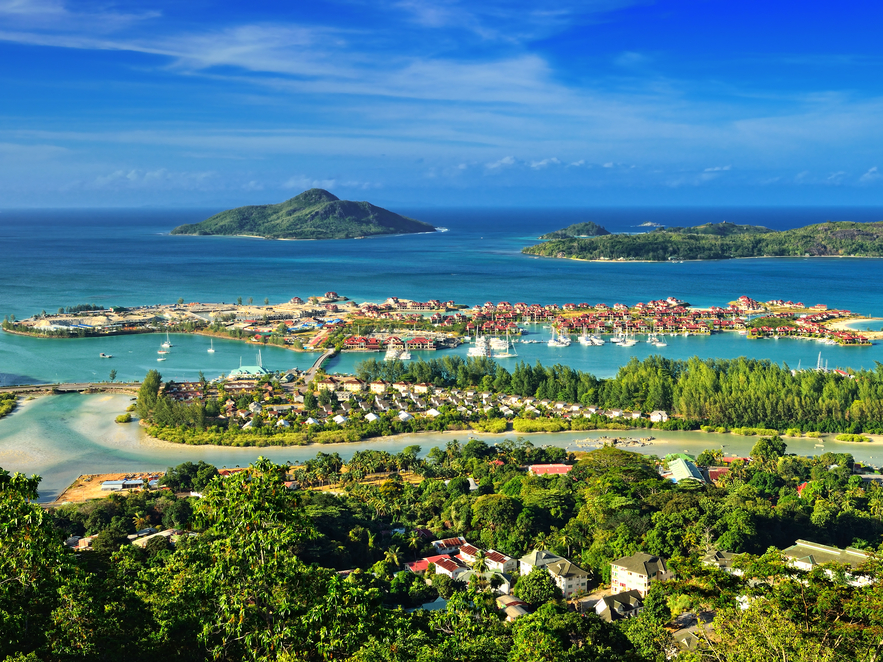
1. Seychelles : Cost of Living Index: 64.5
Seychelles ranks as Africa’s most expensive country to live in. Its small size and heavy reliance on imported goods keep prices elevated. Groceries are particularly costly at 74.8, while restaurant prices stand at 66.2. Although tourism drives economic activity, local purchasing power is modest at 34.3, making daily expenses expensive for residents.
2. Democratic Republic of the Congo : 50.2
Despite its vast mineral resources, the Democratic Republic of the Congo ranks second. Limited infrastructure and high import dependence in major cities push prices upward. Restaurant costs reach 66.1, while rent stands at 32.8. With purchasing power at just 26.3, the gap between incomes and living costs remains wide.
Senegal’s position reflects rising urban costs, particularly in Dakar. Groceries are priced at 45.0, while restaurant costs reach 42.9. Although rent remains relatively moderate at 19.3, weak purchasing power of 22.2 means households continue to feel pressure from higher prices.
Cape Verde’s island geography significantly raises the cost of living. Imported goods push the groceries index to 57.2, despite low rent at 8.8. Tourism supports the economy, but limited purchasing power of 21.3 constrains affordability for residents.
Ivory Coast, one of West Africa’s largest economies and the world’s leading cocoa producer, continues to expand. However, rising consumer prices persist. Restaurant costs stand at 39.1, rent at 21.8, and purchasing power is low at 12.7, increasing financial pressure on households.
Angola stands out for a different reason. While its cost-of-living index is mid-range, it records an exceptionally high purchasing power index of 200.8, the strongest among the top 10. This reflects higher income levels for certain segments of the population, particularly in oil-related sectors, allowing residents to afford more relative to prices.
Ethiopia’s ranking reflects persistent inflationary pressures in a fast-growing economy. Groceries are priced at 44.5, while restaurant costs remain relatively low at 22.9. However, purchasing power stands at 12.5, making everyday expenses burdensome for many households.
Cameroon’s mixed economy, spanning agriculture, oil and manufacturing, places it eighth. Groceries cost 37.8, while restaurant prices reach 45.5. Purchasing power is just 10.5, one of the lowest in the top 10, limiting affordability for most residents.
Mauritius presents a more balanced profile. While living costs are moderate, purchasing power is relatively strong at 55.1. Rent is low at 10.9, helping to ease household expenses. Its diversified economy, driven by tourism and financial services, supports income stability.
South Africa ranks as the least expensive country within the top 10. As Africa’s most industrialised economy, it combines moderate living costs with strong purchasing power of 109.2, second only to Angola. This balance makes it one of the more affordable large economies on the continent.
Numbeo’s 2026 data shows that Africa’s cost-of-living challenges are shaped by more than prices alone. Import dependence, income levels and economic structure play decisive roles, creating wide disparities in affordability across the continent.