The DRC has now also secured a deal, completing the trio of countries targeted under the policy.
The UK government had previously warned it would stop granting visas to nationals of Angola, Namibia, and the DRC if their governments did not improve cooperation on removals. According to the Home Office, returns were being frustrated by delays in paperwork and requirements for migrants to sign their own documents, effectively giving them a veto. Officials had described the situation as “unacceptably poor and obstructive returns processes.”


“Illegal migrants and dangerous criminals will now be removed”
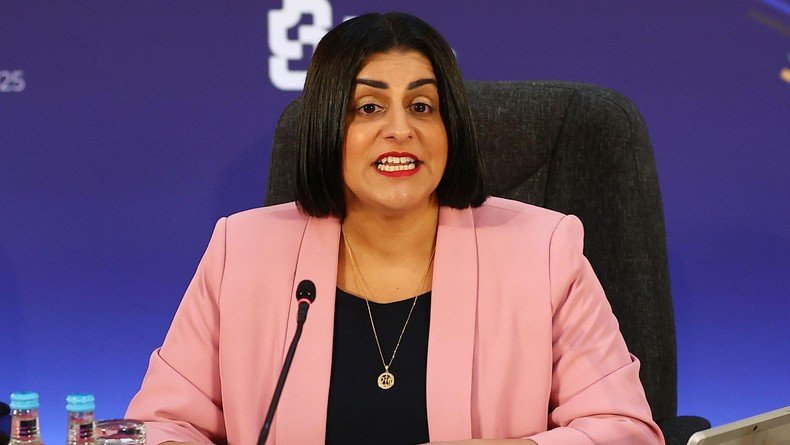
Following the agreements, Mahmood said: “Illegal migrants and dangerous criminals will now be removed and deported back to Angola, Namibia and the Democratic Republic of Congo.” She added: “I will do what it takes to secure our order and control to our borders.” She also warned: “My message is clear: if foreign governments refuse to accept the return of their citizens, then they will face consequences.”
By tying visa access to compliance with deportation requests, the UK is adopting a coercive, enforcement-led model rather than relying solely on cooperative migration management.
Travel, trade, and remittance flows are particularly sensitive, while weaker administrative capacity and limited diplomatic leverage make governments more likely to comply with UK demands.
The agreements underline a broader shift in migration policy, in which developed countries increasingly export the burden of enforcement to developing states, leaving African governments to absorb the political and economic cost of controlling migration flows from abroad.