

Lieutenant General John Brennan, deputy commander of U.S. Africa Command (AFRICOM), confirmed that Washington has continued to share targeted intelligence with some Sahelian armies to strike key terrorist targets.
According to AFP and reporting cited by Malay Mail, the intelligence sharing is limited and operational rather than a return to full military cooperation.
This disclosure comes as the U.S. intensifies what officials describe as a more aggressive counter-terrorism campaign across West and Central Africa.
Washington has also recently stepped up intelligence sharing, surveillance support and military coordination with Nigeria in particular, which remains a central pillar of U.S. security strategy in the region.


What renewed U.S. intelligence links mean for the Sahel
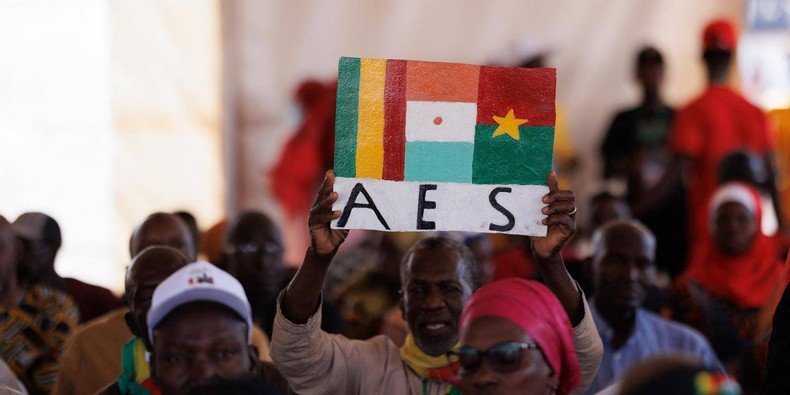
The continued information flow between Washington and AES militaries reflects the complexity of Sahelian security dynamics.
For the wider region, this open communication could help limit the operational space of jihadist groups that move fluidly across borders linking the central Sahel to coastal West Africa.
However, it also risks complicating diplomatic relations, particularly as AES governments frame their security strategies around sovereignty and resistance to Western pressure.


