

The push builds on earlier engagements with Chinese automakers and has now entered a more advanced phase.
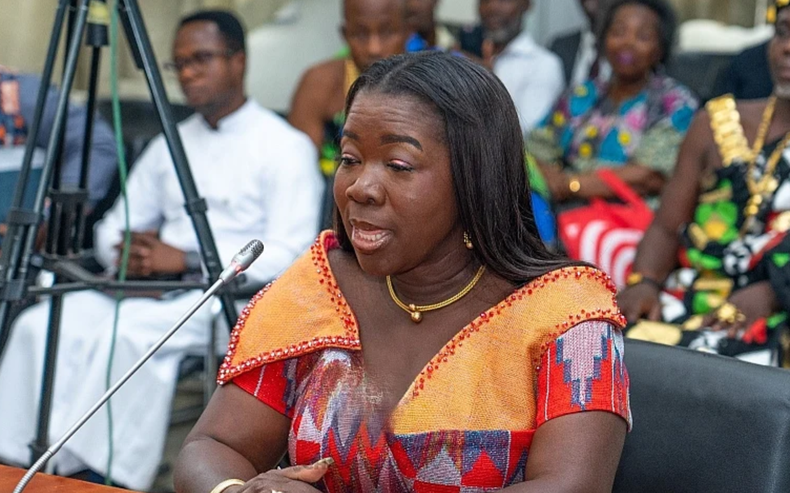
Speaking at the Government Accountability Series on January 21, 2026, Minister of Trade, Agribusiness and Industry Elizabeth Ofosu-Adjare said the government had signed a memorandum of understanding with China’s Shenzhen New Jekyll to establish an EV assembly plant in Ghana.
“They are already in Ghana, they have acquired land, and development is far advanced for the factory to begin operations,” Ofosu-Adjare said, signalling that the project has moved beyond preliminary negotiations.
She added that the ministry is also in discussions with Chery International, one of China’s major automobile exporters, to set up an additional EV assembly plant following engagements at the China-Africa Summit.
What Ghana’s EV push means for its economy
Ghana’s EV ambitions form part of a broader strategy to reposition the country as a manufacturing hub in West Africa while supporting its climate and energy transition goals.
Chinese manufacturers are playing a central role in this strategy. China dominates the global EV supply chain, from battery technology to affordable vehicle production, and is increasingly targeting emerging markets as growth slows in Europe and North America.
For Ghana, partnering with Chinese firms offers access to technology, capital, and manufacturing expertise without the heavy upfront research and development costs.
Industry analysts note that the success of Ghana’s EV push will depend on scaling power infrastructure, expanding charging networks, and keeping EVs affordable for consumers.
If executed effectively, Ghana’s strategy could help anchor a domestic automotive ecosystem and position the country as a reference point for electric mobility in West Africa, at a time when African countries are competing for a share of the global EV value chain.


