

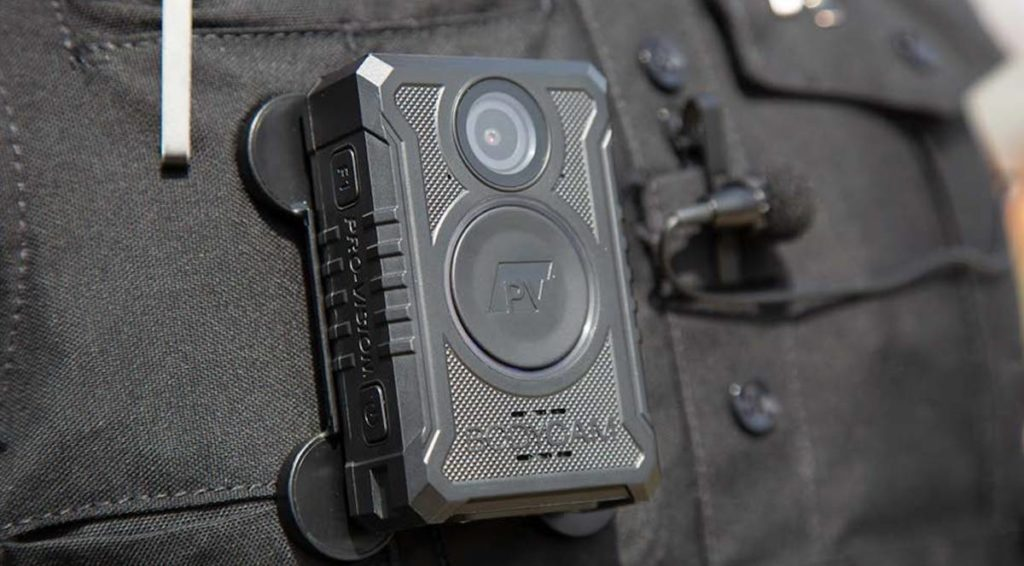
KINGSTON, Jamaica, CMC – The human rights group, Jamaicans for Justice (JFJ), on Wednesday said it welcomed the decision by the Jamaica Constabulary Force (JCF) that it has acquired 1,000 body-worn cameras (BWCs), with deployment reportedly at an advanced stage and prioritised for areas of high citizen engagement.
“This marks meaningful progress toward greater transparency and accountability in policing, a goal JFJ has long supported,” the human rights group said in a statement.
JFJ described the development as a meaningful step toward improved transparency and accountability in policing, even while it expressed concern that although the JCF has said deployment will be guided by operational needs, training readiness and established governance protocols, it remains unclear how these criteria will apply to planned police operations (PPOs).
“The persistent absence or non-activation of body-worn cameras in these PPOs has been flagged as a critical gap by INDECOM’s October 2025 Special Investigative Report,” JFJ said in a statement.
The JFJ, in making reference to data from the Independent Commission of Investigations (INDECOM), noted that there were 311 fatal shootings by security forces in 2025, the highest number recorded since 2010, with PPOs accounting for 51 % of fatalities in the first seven months of the year, up from 40 % in 2024.
It noted that the Area Fugitive Apprehension Teams (AFATs) were responsible for 51 % of deployments and 47 % of fatalities in the first half of 2025, compared with just five % of deployments and three % of fatalities in 2022.
The JFJ is calling on the JCF to provide clarity on whether body-worn cameras will be deployed and activated during PPOs, particularly those involving AFATs, and to disclose what percentage of PPO and AFAT personnel have completed body-worn camera training and are operationally ready as of January 2026.
The human rights organisation noted that Police Commissioner Dr Kevin Blake, in a media interview, confirmed that body-worn cameras would be used in planned operations, responding “absolutely” when asked directly.
JFJ urged the JCF to allocate a portion of the 1,000 newly acquired cameras to PPOs and AFATs, while acknowledging the commissioner’s caution that current numbers may not yet meet the operational scale required.
It said BWCs in PPOs would provide objective evidence to resolve conflicting accounts, exonerate officers in justified encounters, protect against false allegations, and support fair outcomes for victims’ families, communities and police alike.
The organisation also called for the strengthening of the 2021 Body-Worn Cameras Policy and Procedures and the enactment of supporting regulations.
“These should clearly address activation and use, handling of infractions or failures to activate, disciplinary measures for non-compliance, and broader privacy concerns (access, retention, exceptions) – beyond the Data Protection Act – to ensure a robust, enforceable framework,” JFJ said.



