

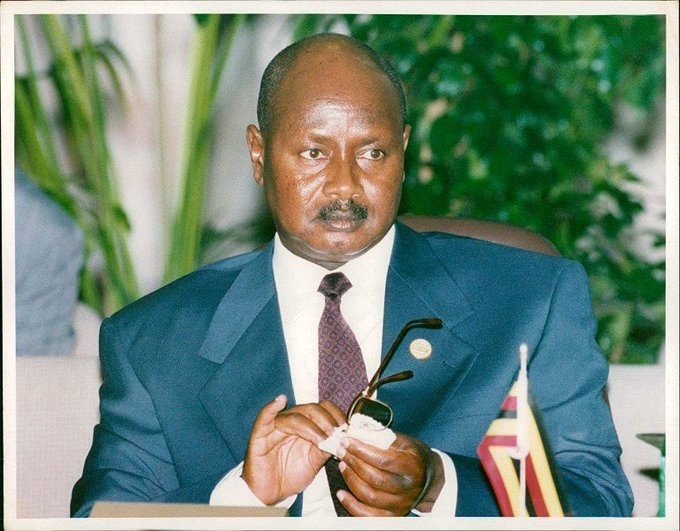
On Monday, the Ugandan government revealed that it is placing a ban on the live broadcasting of what it deems “unlawful processions,” riots, and other violent demonstrations ahead of its general elections.
“Live broadcasting or streaming of riots, unlawful processions, or violent incidents is prohibited, as it can escalate tensions and spread panic,” the Ministry of Information, Communication, and Technology said in a statement.
Additionally, the ministry prohibited the publication of any content that it deemed “inciting, hateful, or violent.”
The current administration of Uganda, under Yoweri Museveni, who has led the country for 40-years, describes anti-government protests as riots.
Prior to the most recent election in 2021, authorities in the East African country cracked down on the supporters of Museveni’s biggest opposition, Bobi Wine.
They argued that Wine’s camp accused Museveni of stealing the election, a claim Wine rejected.
This resulted in the deaths of over fifty people, as seen on Reuters.
Amnesty International said on Monday that Ugandan security forces started a “brutal campaign of repression” against Wine’s followers in the run-up to the election, exposing their supporters to arbitrary detentions, assaults, and torture.
According to the victim’s wife, Kizza Besigye was abducted during a book launch in Kenya and brought to Uganda, where he was imprisoned in a military cell in the country’s capital, Kampala.


Yoweri Museveni’s approach to elections
Yoweri Museveni has ruled Uganda since 1986, making him one of Africa’s longest-serving leaders and seeking a seventh term in the January 2026 elections.
His National Resistance Movement (NRM) has twice amended the constitution to remove presidential term and age limits, enabling his extended tenure.
Critics argue elections under Museveni are marred by intimidation, arrests of opposition supporters, alleged ballot irregularities, and restrictions on media and civic space, claims his government denies and blames on security concerns.
Opponents, such as Bobi Wine, allege that past results were stolen and claim that state repression hampers fair competition, raising concerns about Uganda’s democratic credibility.


