

Bearing in mind the inhibiting cost of commercial synthetic fertilisers to communal farmers, Shane Brody highlights the significant benefits of using animal by-products.
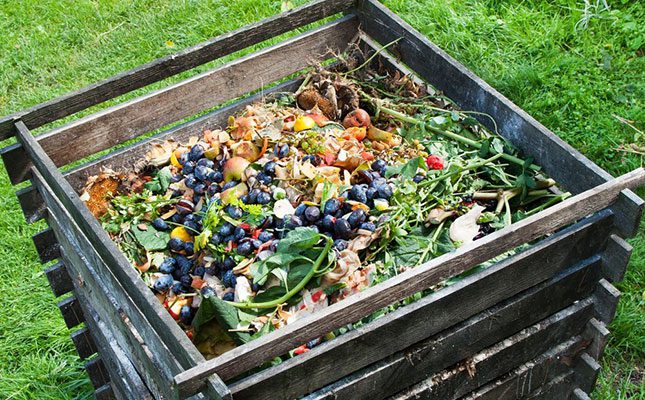
Photo: Flickr | Trish Walker
Many of our communal farmers reside in the former homeland regions and it’s a concerning reality that many food- or fodder-producing croplands have been largely depleted of nutrients over time. Monocropping of grains such as maize year in and out has resulted in soil nutrient shortfalls that make production increasingly challenging.
Rural communities have long recognised the value of animal manure as a natural fertiliser for croplands. However, effectively collecting, treating, storing, and utilising manure requires organisation, planning, and a collective approach.
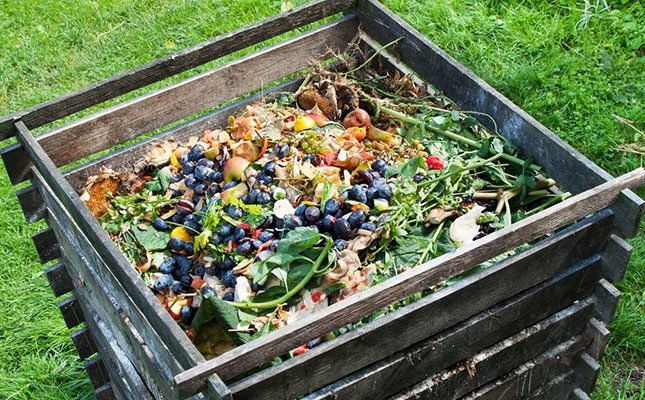
By combining animal manure with kitchen scraps and leaf sweepings or grass cuttings, rural communities can create nutrient-rich compost that enhances soil fertility and promotes sustainable agriculture.
Organising for manure collection and composting involves some important factors:
- Community engagement: gather local farmers, livestock owners, and residents to discuss the benefits and logistics of a community composting programme;
- Designate collection areas: identify specific areas for collecting animal manure, kitchen scraps, and leaf sweepings. Ensure these areas are easily accessible and manageable;
- Create a composting site: this site should be well-ventilated, accessible, and protected from excessive rain or wind;
- Develop a collection schedule: this can be done through a rotating schedule among community members or by designating specific collection days.
The composting process is important and the following points need to be carefully considered:
- Layering: create compost heaps by layering animal manure, kitchen scraps, leaf sweepings, and grass cuttings. Aim for a mix of ‘green’ materials (manure, kitchen scraps) and ‘brown’ materials (leaf sweepings, straw, or grass);
- Carbon-to-nitrogen ratio: maintain a balanced carbon-to-nitrogen ratio of around 25:1. This ensures optimal decomposition and minimises odours and smells;
- Moisture and aeration: maintain adequate moisture levels and ensure regular aeration (turning the material over once a week or every 10 days) to promote decomposition.
- The material should always feel damp when touched but not waterlogged or excessively wet. Adequate moisture is important for effective microbial activity;
- Monitoring: regularly monitor compost temperature, moisture, and odours to ensure optimal conditions.
Suitable livestock manure is as follows:
- Cow and sheep/goat manure: rich in nutrients, this manure is an excellent addition to compost heaps;
- Pig manure: high in nitrogen, pig manure can be used in moderation to avoid over-incorporation of nitrogen;
- Chicken manure: rich in phosphorus and nitrogen, and makes a good addition to compost heaps;
- Horse manure: similar to cow manure, horse manure is a good source of nutrients and can be used in composting.
Factors to consider when utilising compost on croplands:
- Application rates: Apply compost at rates of a minimum of 7t/ha (100m x 100m), depending on soil type and crop requirements. This means about 175 x 40kg bags;
- Soil incorporation: work compost into the soil to a depth of between 10cm and 15cm to ensure optimal nutrient uptake and soil structure improvement. This can be done after good rains when the soil is soft.
There are benefits but also challenges involved in this holistic method of soil regeneration:
Benefits:
- Improved soil fertility and structure;
- Increased crop yields and quality;
- Reduced reliance on synthetic fertilisers;
- Enhanced environmental sustainability.
Challenges:
- Initial investment in infrastructure and education of community members;
- Ongoing maintenance and monitoring of composting process;
- Potential for odours and pests if not managed properly.
In conclusion, by organising and implementing a community composting programme, rural communities can effectively utilise animal manure and organic waste to create nutrient-rich compost for croplands. This approach promotes sustainable agriculture, reduces waste, and also enhances environmental sustainability.
Shane Brody is involved in an outreach programme aimed at transferring skills to communal farmers.


