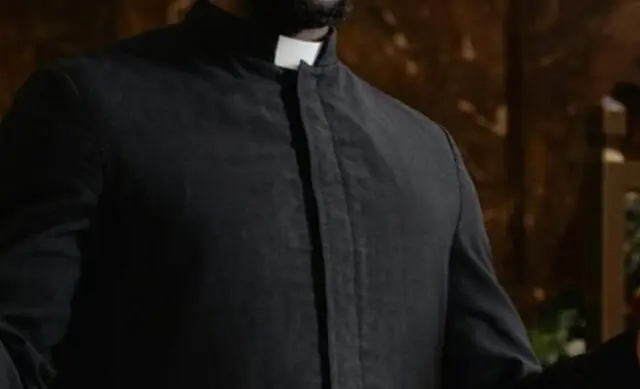
HUNTSVILLE, TEXAS — Rev. James Eliud Ngahu Mwangi, a Kenyan priest and assistant rector in the Episcopal Diocese of Texas, has opted for voluntary departure (self-deportation) from the United States. He is choosing to return to Kenya in December 2025 following weeks of detention by U.S. Immigration and Customs Enforcement (ICE).
Rev. Mwangi’s decision comes after a controversial immigration case that has drawn attention from clergy, immigration advocates, and the Kenyan diaspora in the United States.
Arrest and ICE Detention in Texas
Rev. Mwangi was arrested by ICE on October 25, 2025, in Huntsville, Texas. This occurred while he was returning home from his job as a correctional officer with the Texas Department of Criminal Justice (TDCJ). His detention reportedly followed a routine traffic stop. Afterward, local police alerted federal immigration authorities. The exact reason for the traffic stop has not been publicly disclosed.
ICE authorities stated that Mwangi entered the United States on a B-1 business visa and allegedly overstayed, despite having been ordered to depart the country by May 16, 2024.
– Advertisement –
Dispute Over Legal Status and Work Authorization
Supporters of Rev. Mwangi, along with the Texas Department of Criminal Justice, maintained that he held valid work authorization through 2029. This was verified through the federal E-Verify system.
According to his attorney, Laban O. Opande, Rev. Mwangi also had a pending asylum application. This legally permitted him to remain and work in the U.S. while the case was under review.
“I don’t think justice is really being done in my client’s case. He feels like he’s in prison,” Opande told the Houston Chronicle.
“There was no need to deny the bond. He has endured confinement without cause, and it has been deeply stressful.”
The denial of bond raised serious questions among immigration advocates, particularly given Mwangi’s employment history, church leadership role, and lack of criminal record.
Why Rev. Mwangi Chose Voluntary Departure
Ultimately, Rev. Mwangi chose self-deportation. His legal team described this move as strategic rather than an admission of wrongdoing.
Attorney Opande explained that voluntary departure could preserve Mwangi’s future eligibility to legally re-enter the United States. This is unlike a formal deportation order, which could trigger long-term or permanent bans.
Mwangi reportedly felt that continued detention was unnecessary. It was punitive, and emotionally draining. These feelings prompted him to return to Kenya while exploring legal options from abroad.
Questions Surrounding ICE Enforcement
The case has sparked renewed debate over U.S. immigration enforcement. This is particularly involving individuals with valid work permits, pending asylum cases, and verified employment through E-Verify.
Faith leaders and immigrant rights groups have questioned why Rev. Mwangi was placed in removal proceedings. This occurred despite apparent compliance with employment authorization rules.
Impact on the Kenyan Diaspora and Church Community
Rev. Mwangi’s departure has left a significant impact on the Episcopal Diocese of Texas and the Kenyan diaspora community. He was widely regarded as a dedicated priest, public servant, and mentor.
Church leaders have called for prayers and continued advocacy, emphasizing the need for fair, humane, and transparent immigration processes.
Looking Ahead
While Rev. Mwangi prepares to resume life and ministry in Kenya, his legal team has indicated that future applications to return to the United States remain possible. This depends on how immigration authorities handle his voluntary departure.
His case continues to resonate. It is a symbol of the complex intersection between faith, immigration law, asylum policy, and enforcement practices in the United States.
Follow our WhatsApp Channel and X Account for news updates.