

South Africa is harnessing remote monitoring technology to tackle its persistent water challenges. By tracking reservoirs, detecting leaks, optimising flows, and enabling predictive maintenance, utilities can improve efficiency, reduce losses, ensure compliance, and support long-term sustainable water management.

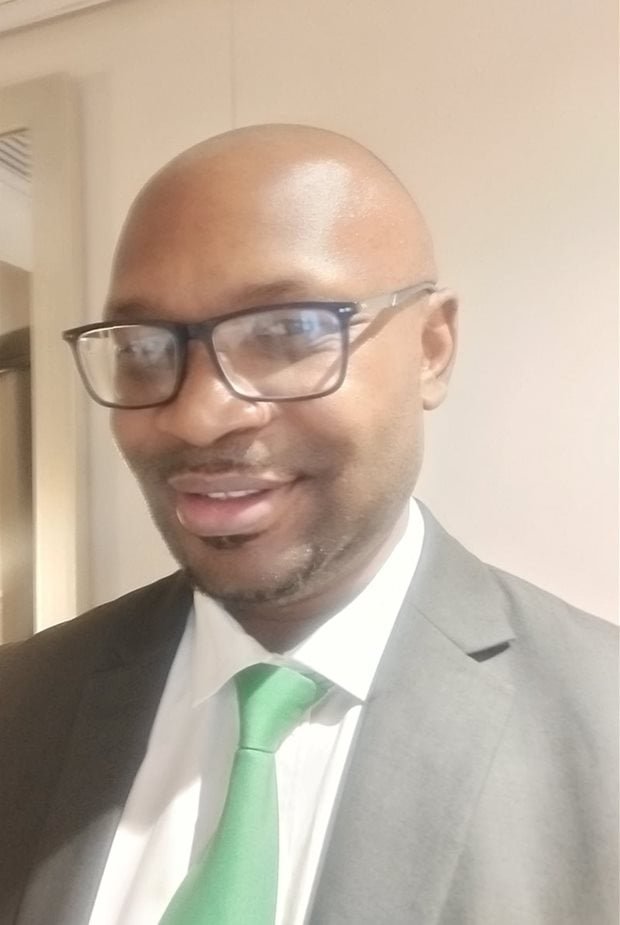
Source: Supplied. Peter Marumong.
This growing reliance on digital solutions is proving crucial, particularly as South Africa grapples with widespread water-provision challenges, where timely monitoring and management of distant, critical infrastructure have become more important than ever.
In a time when the country faces a persistent water-provision crisis, remote monitoring has emerged as an indispensable cog in the water-resource management machine. It is particularly beneficial to utilities and water boards that, more than ever, need to stay one step ahead of the infrastructure they manage and monitor.
In South Africa, due to its sheer size and vast rural landscape, remote water monitoring can overcome the fundamental maintenance issues that come with managing critical assets like reservoirs which are often located hundreds of kilometres away, making it downright impossible to get to the site in the nick of time.
By utilising the remote monitoring’s real-time tracking ability, these precious resources can be managed far more efficiently, therefore maintaining consistent supply and quality.
Today, remote monitoring also supports national frameworks like the Blue Drop and No Drop certifications. No Drop, for example, focuses on water conservation and efficiency, particularly in urban distribution systems. It tracks:
- Non-revenue water – water produced but not billed due to leaks, theft, or metering issues.
- Water-loss management – how effectively municipalities detect and repair leaks.
- Usage efficiency – whether water is being used responsibly across the sector.
“By monitoring reservoirs, especially flow between them, municipalities can detect potential leaks or instances of non-revenue water,” explains Peter Marumong, Cluster WWW Segment Leader at Schneider Electric. “This allows corrective actions to be taken quickly, preventing losses that in South Africa can amount to as much as 40% of water produced.”

Absa leads charge in launch of R11.8bn infrastructure bond
Flow rates and smarter decision-making
As mentioned, flow meters form an important part of the monitoring capability. The data provided is crucial for predicting when reservoirs will empty or fill.
According to Marumong, these insights allow operators to adjust operations dynamically and proactively, slowing down flows with control valves or variable speed drives (VSDs), or increasing output when demand rises in the morning.
Anomalies in flow rates also serve as early warning signs. “If flow rates remain unusually high at night when people are sleeping, it could point to a pipeline leak,” Marumong notes.
Telemetry and predictive maintenance
Telemetry systems form the backbone of remote monitoring, harvesting data from sensors across the network. This information not only supports real-time oversight but also feeds into predictive maintenance and asset management.
“Telemetry allows operators to track which assets are consistently running at maximum capacity which, in turn, will allow municipalities to schedule maintenance before failure occurs.” says Marumong.
“Similarly, identifying underutilised assets allows resources to be reallocated more effectively, reducing unnecessary spending.”
Smarter control through remote valves
Remote monitoring extends to infrastructure components such as valves. In the past, operators would have had send dispatch staff to reservoirs to manually open or close valves. Now, thanks to digital systems, this can be done with a click of a button.
Again, the benefits are numerous, faster response times and importantly, improved water conservation. “Digital systems save time and costs and ultimately ensures municipalities can react to changing conditions without delay.”
Adoption trends in municipalities
While adoption is gradual, momentum is definitely building. Several municipalities are beginning to pilot and showcase these solutions as part of their flagship projects. According to Marumong, the uptake is particularly encouraging in regions where water boards and local authorities are under pressure to demonstrate efficiency, cut losses, and maintain compliance.
And the future? Like so many other industries remote monitoring in the water industry also stands to benefit from integration with AI and ML These technologies can analyse data trends at scale, predict demand patterns, and further optimise resource allocation.
This will not only improve operational efficiency but also support broader sustainability goals by minimising waste and improving long-term planning.


