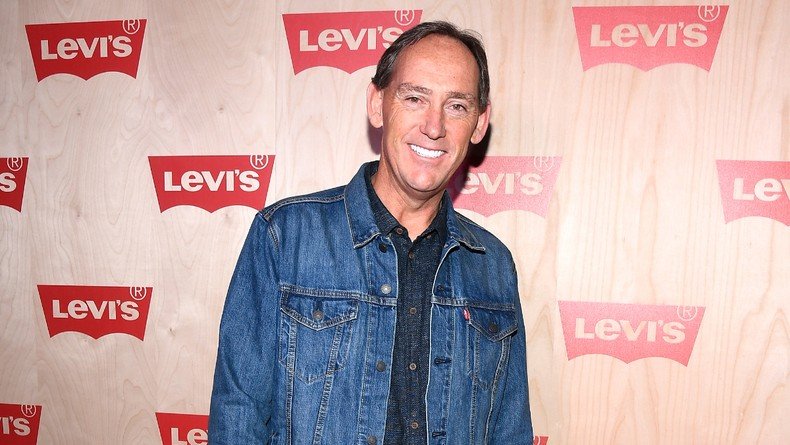
Roy Bagattini, who took the helm in 2020, disposed of 650,000 shares at an average price of 5,669.12 cents each.
The sale forms part of a broader wave of executive pay increases announced for the year ended 30 June 2025.
Bagattini’s single-figure remuneration alone rose from R65.3 million to R79.9 million, a pattern repeated among his senior leadership.
The pay spike triggered discontent among shareholders. At Woolworths’ annual general meeting, the remuneration policy was approved, but not without opposition.
The backdrop to these developments is a mixed performance by the group. The food business delivered above-market growth, with an 11.0% increase in turnover and concession sales and a strong 7.7% comparable-store growth.
Meanwhile, its Fashion, Beauty and Home (FBH) segment saw only modest gains: turnover rose 4.7%, sales rose 5.1%, yet net trading space declined by 2.3%. Adjusted EBITDA stood at R2,491 million, a slight drop of 0.4 % compared with the prior period.
Group earnings reflect the slowdown: basic earnings per share dropped 5.5% to 273.4 cents, headline EPS fell 26.4% to 268.1 cents, and dividends slumped from 265.5 cents to 188 cents per share.
A trading update for the 19 weeks ended 9 November 2025 also showed turnover and concession sales rising 6.2 %, comfortably outpacing inflation.
As Woolworths navigates investor pressure, economic headwinds, and a shifting business mix, the sale of Bagattini’s shares signals both personal profit-taking and renewed scrutiny on corporate remuneration among Africa’s largest retail players.