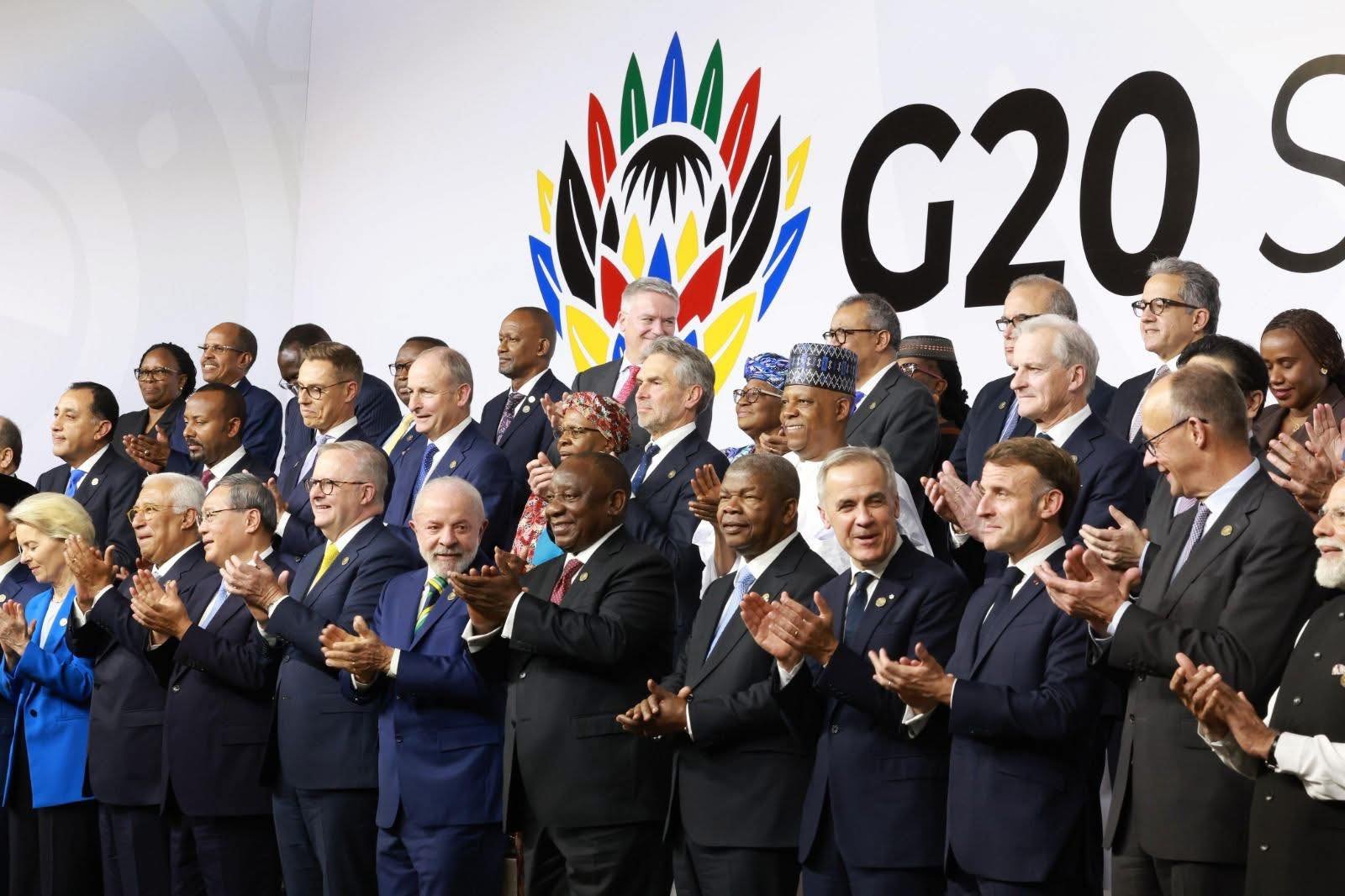
The G20 Summit has delivered a sweeping set of commitments that place agriculture, food security, and African rural development at the heart of the global agenda.


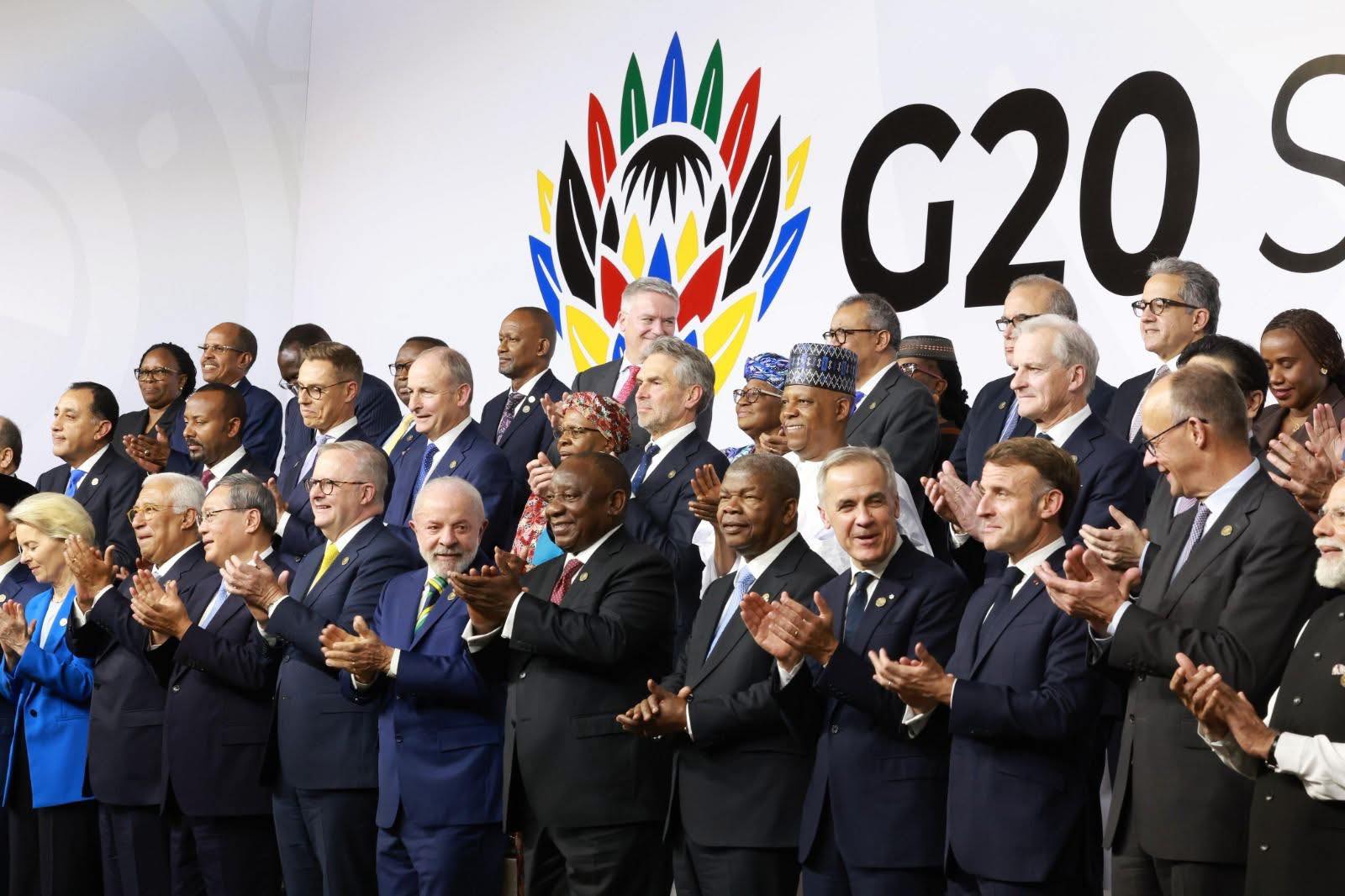
Photo: GCIS
For South Africa’s farming sector, the final Leaders’ Declaration contains significant triumphs, and important signals about where global policy and funding are heading in the coming decade.
The G20 leaders did not mince words: the world is backsliding on hunger. With up to 720 million people going hungry in 2024 and billions unable to afford healthy diets, the declaration frames food security as an urgent global crisis. This context places agriculture firmly at the centre of the G20’s development and climate agendas.
For farmers, the most important takeaway is that resilient, sustainable and modern agriculture is now a global priority. Leaders committed to strengthening:
- Soil, water and land management;
- Climate adaptation and risk reduction;
- Biodiversity conservation;
- The use of innovation, technology and climate-smart practices;
- Support for smallholders, family farmers, women and youth.
Notably, the G20 reaffirmed support for open, predictable agricultural trade, a vital gain for South Africa’s export-led sectors such as beef, fruit, nuts and wine.
The Ubuntu approaches
One of the summit’s biggest agricultural wins is the adoption of the Ubuntu Approaches on Food Security and Nutrition. This South African–led framework directly tackles excessive food price volatility, an issue that has battered farmers and consumers alike.
The framework commits G20 members to regular monitoring of price shocks, improving market transparency, and supporting measures that protect both producers and vulnerable households.
Crucially, leaders agreed to implement the Ubuntu Approaches and review progress, ensuring the framework remains active beyond South Africa’s presidency.
The declaration includes some of the strongest agriculture commitments to the continent ever seen in a G20 document. Leaders endorsed targeted support for:
- Smallholder farmers and fishers, especially women and youth;
- Expanded access to finance, markets, and climate-resilient infrastructure;
- Investments in local fertiliser manufacturing, seed banks and storage;
- Strengthening local food production to reduce reliance on volatile global supply chains;
- Boosting intra-African trade through the African Continental Free Trade Area (AfCFTA) implementation.
Backing for the African Union’s Comprehensive Africa Agriculture Development Programme (CAADP) Strategy and Action Plan directly aligns with South Africa’s goals of regional market growth and rural economic development.
Preparedness and climate adaptation
Farmers know better than anyone that climate volatility hits first and hardest at primary production. The G20 declaration reinforces this reality and places disaster resilience front and centre.
Leaders called for:
- Scaled-up investment in drought and flood preparedness;
- Nature-based solutions to protect landscapes and water systems;
- Universal early-warning coverage by 2027;
- Reducing land degradation by 50% by 2040;
- Accelerated action on desertification and drought resilience.
South Africa was also highlighted as the first country to launch its national Early Warnings for All roadmap, signalling international recognition of the country’s disaster-management leadership.
The declaration emphasises that climate finance must expand from “billions to trillions,” with developing countries being priority recipients. For agriculture, this opens the door to funding for:
- Climate-resilient seed and livestock systems;
- Water-efficient irrigation;
- Rangeland and soil restoration;
- Low-emissions technologies;
- Infrastructure for climate-smart value chains.
The Leaders’ Declaration also endorses national just transition pathways, which is important for ensuring that farming communities are not left behind as economies decarbonise.
Technology and data to support
Although not agriculture-specific, the G20 commitments on AI, digital infrastructure and data governance are likely to influence farming. The new Technology Policy Assistance Facility and the AI for Africa initiative could support:
- Precision agriculture tools;
- Satellite-based crop and rangeland monitoring;
- Digital extension services;
- Commodity-price transparency systems;
- Climate modelling and early warnings.
For producers, these advances could mean improved productivity, risk management and market access.
A strong agenda for African agriculture
As far as global summits go, the South African G20 Presidency managed to push agriculture further up the global agenda than ever before. The Leaders’ Declaration reflects the continent’s development priorities support for smallholders, resilient production, regional trade, food affordability, and climate adaptation.
For South African farmers, this summit signals a welcome shift: the world is starting to listen to Africa’s agricultural realities. The challenge now is turning these commitments into concrete investments, policies and programmes that reach producers on the ground.
If successfully implemented, the G20 commitments could help strengthen input security, stabilise food markets, accelerate rural development, improve climate resilience and create real opportunities for farmers across the value chain.