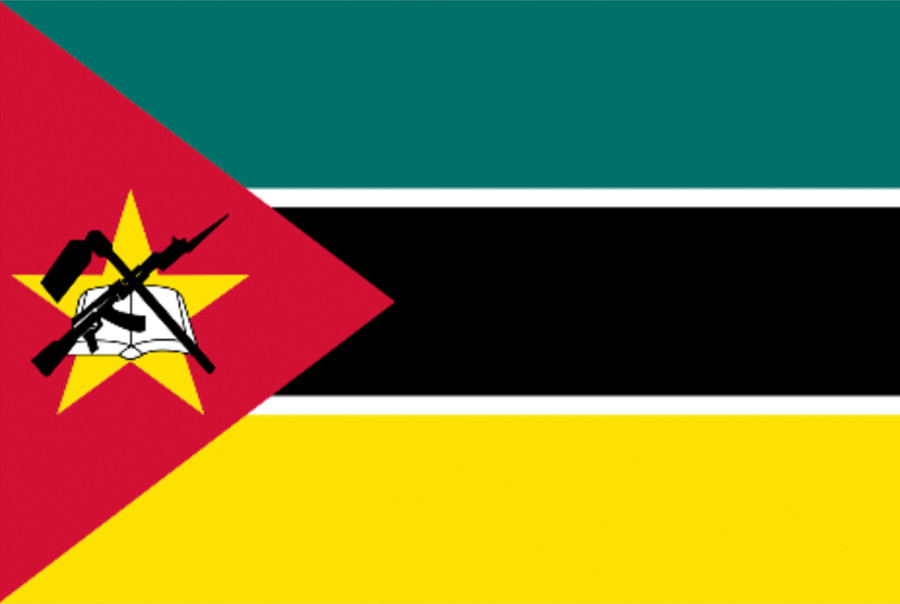

Mozambique’s conventional arms control regime presents a complex picture of commendable international commitments alongside somewhat opaque and outmoded domestic legislation. While the nation has established a legal and institutional framework and acceded to key international treaties, the proliferation of illicit weapons, porous borders, and the ongoing insurgency in the northern province of Cabo Delgado severely test the efficacy of its control mechanisms.
The principal legal instrument in this regime is the Arms and Ammunition Act. Originally a colonial-era law from 1973, it was revised by Decree Nº 8/2007 to better align with regional and international standards. The Act governs matters related to the authorisation of the import, export, transit, possession, carrying, and storage of firearms and ammunition. It distinguishes between civilian and military arms, requiring official licensing (for the procurement, trading, and manufacture of arms), end-user certification, and the secure transportation and storage of arms.
The primary authority for granting arms transfer licences under the Act is the Minister of the Interior, who often acts through, or on the advice of, the National Police Commissioner. The Act further authorises the Minister to implement regulatory guidelines and to sanction non-compliance through administrative fines and criminal penalties. While the law formally applies to “armas de Guerra” (weapons of war), the regulation of military-grade arms remains vague in practice. Oversight of military inventories falls to the Armed Forces themselves, but the level of transparency around such weapons transfers and stockpile management is limited.
Importantly, Mozambique has signed and ratified several international treaties and conventions that have driven a notable evolution in the country’s arms control regime. These include the Southern African Development Community (SADC) Protocol on the Control of Firearms, Ammunition and Other Related Materials, as well as the Arms Trade Treaty (ATT). The former, for example, prompted the establishment of the Inter-Ministerial Commission to Prevent, Combat and Eradicate Illicit Trafficking in Small Arms and Light Weapons (COPRECAL).
COPRECAL falls under the Ministry of the Interior and serves as the national coordinating body. It is responsible for overseeing the national, regional, and international arms control frameworks. It consists of representatives from the Ministries of Interior, Defence, Justice, Foreign Affairs, the Armed Forces, Customs, Migration, academia, and civil society. Though originally conceived as part of regional efforts to curb the proliferation of small arms and light weapons, COPRECAL’s mandate has since expanded to include all conventional arms, in line with Mozambique’s commitments under the ATT. However, it should be noted that Mozambique has yet to fully comply with its commitments under the ATT, having failed to submit an initial report to date, despite the deadline being March 2020, some two years after it ratified the treaty. Nor has it submitted any annual reports detailing arms transfers.
Although Mozambique’s arms control regime has improved significantly over the past 20 years, the system continues to be characterised by outmoded elements of domestic legislation, which create regulatory ambiguity, especially in relation to military arms. Licensing for military-grade arms remains opaque, and public reporting on arms transfers is virtually non-existent. Additionally, oversight bodies like COPRECAL are under-resourced, lack institutional independence and statutory powers, and do not routinely publish reports or assessments. As a result, Mozambique’s arms control regime remains weakly institutionalised and lacks meaningful transparency, particularly in relation to state-held and military-grade arms.