
Uganda’s participation in the ATAF Agreement on Mutual Assistance in Tax Matters (AMATM) reflects its determination to work together with other African tax administrations to protect domestic revenues and promote fairness in cross-border taxation.
Uganda joined the AMATM in 2014 and is proud to be one of the first ATAF members to join in this landmark agreement. The opportunities for ATAF members from using the AMATM are clear; developed by Africa, for Africa, the AMATM gives member countries a formal legal basis to exchange tax information, conduct joint audits, and assist each other in recovering taxes owed across jurisdictions in Africa. This cooperation is vital for addressing challenges that no administration can face alone, such as tracing hidden assets, identifying undeclared income, and auditing multinational operations that span multiple countries.
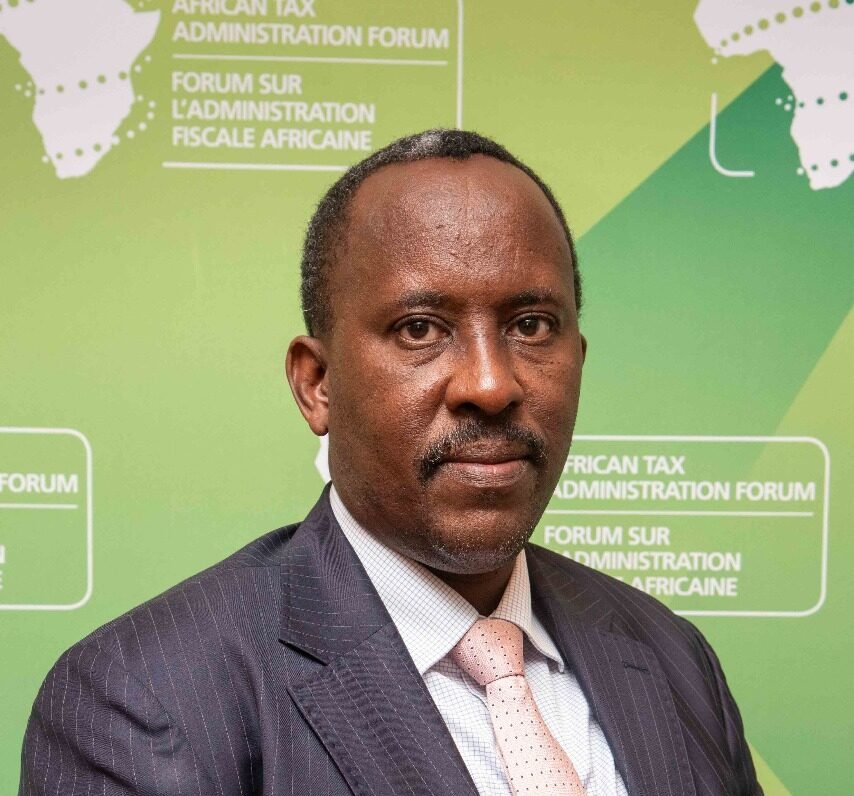
Several African countries have seen remarkable revenue gains and tax base improvements from using this kind of international cooperation under the existing agreements in place with other countries around the world. “Previously, it was difficult to access information on income or assets located outside our borders,” Mr. John Musinguzi, Commissioner General of the Uganda Revenue Authority (URA) explained. “Now, through international tax cooperation agreements, we can request and share information with our counterparts in a timely and confidential manner. That builds confidence both within our administration and among taxpayers who see a fairer system emerging. If that is true of our existing agreements, the same logic applies when we look at our own continent.”
By joining and proactively using this continental framework, ATAF members can transform the way they cooperate—replacing isolated efforts with coordinated action, shared expertise, and mutual trust. Not only is such cooperation vital for accessing the information and enforcement capabilities that otherwise lie outside the national borders, but this kind of cooperation can open new pathways for collaboration, experience sharing and mutual learning with peer administrations on the continent.
Across ATAF’s membership, AMATM is an example of how we are fostering a culture of solidarity, where each member administration can contribute to the mutual mobilisation of domestic resources and strengthened fiscal sovereignty. Mr. Musinguzi notes, “When one country assists another—whether through data sharing, coordinated audits or support in recovering unpaid taxes—the entire continent can benefit. This cooperation helps ensure that Africa’s wealth remains within its economies and supports the delivery of essential public services.”
“This is not just about Uganda,” added the Commissioner General. “It is about Africa taking charge of its own tax destiny. When we share expertise and stand together, we send a clear message that Africa can design and lead its own solutions.” The agreement also aligns with Africa’s wider integration agenda.
As trade expands under the African Continental Free Trade Area (AfCFTA), AMATM ensures that the growth in goods and services is matched by transparent and consistent taxation. The additional revenues mobilised through stronger cooperation contribute directly to national budgets and to continental development priorities under Agenda 2063 and the UN Sustainable Development Goals.
As more member countries come on board, and as African economic growth continues and our economic ties strengthen, the AMATM can become a cornerstone of Africa’s tax cooperation architecture, uniting administrations under a shared commitment to fairness, efficiency, and self-reliant growth. But that is in our hands. Mr. Musinguzi added a call to action: “We call on our friends on the continent to join the AMATM, for our tax base and for yours.”