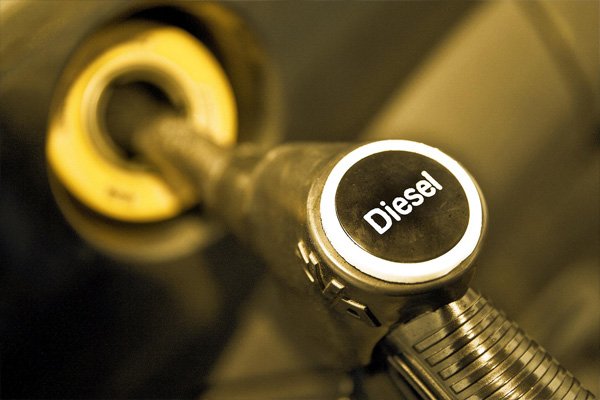
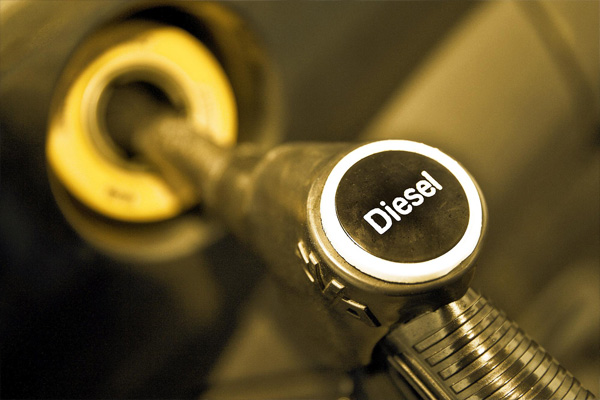
When diesel costs are high, the cost of living rises, businesses struggle, and economic growth slows down.
When fuel costs remain low, African countries can reap a slew of economic and social benefits.
Low diesel prices have a direct effect in terms of lower transportation expenses.
Trucks and delivery trucks can transport things more inexpensively, resulting in decreased prices for food, construction supplies, and consumer goods.
For a continent where transportation costs have a significant impact on retail pricing, steady and low diesel prices serve to alleviate household financial burdens.
Tractors, irrigation pumps, and transport vehicles that run on diesel are essential to African farms. As a result of lower diesel prices, farmers can spend more on technology, seeds, and fertilizer.
This stabilizes the food supply, keeps food prices within customers’ means, and boosts agricultural output.
Small enterprises and unofficial transportation providers, such as taxis and minibuses, are especially vulnerable to fluctuations in gasoline prices.
These businesses can maintain employment and profitability because low diesel costs lower operating overhead.
Employees can commute effectively and safely thanks to affordable fuel, which also guarantees that public transportation will continue to be available.
Low and steady diesel prices keep living expenses from rising suddenly, which lessens social discontent and public annoyance.
In summary, low diesel costs in Africa are a strategic tool for economic stability and growth, not merely a temporary respite for consumers.
In addition to improving the quality of life for millions of people, countries may manage inflation, encourage investment, and help small companies, transportation networks, and agriculture by keeping gasoline prices low.
With that said, here are the African countries with the lowest diesel cost in October, according to data from Global Petrolprices.