

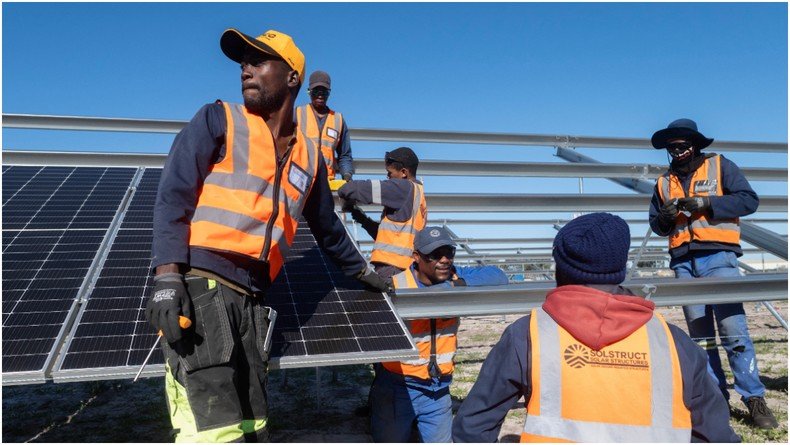
According to the Ministry of Infrastructure, 82% of Rwandan households now have electricity, with 57% connected to the national grid and 25% powered by off-grid systems, mainly solar.
Experts warn that this overreliance on hydropower leaves the country vulnerable to climate shocks such as droughts and erratic rainfall that disrupt generation.
Rwanda’s $3.6 billion energy drive faces financing and policy hurdles
But financing remains a major stumbling block.
The government estimates that it will need about $3.6 billion by 2035 to meet rising electricity demand, including $69 million for short-term solar projects.
Between 2035 and 2050, generation costs could surge to $38 billion, with solar investments alone accounting for $16 billion.
Private investors can only participate in power generation through independent power producer (IPP) models, with the EUCL acting as the sole off-taker.
While Rwanda offers some tax incentives, industry players argue that more predictable policies and cost-reflective tariffs are critical to attracting capital. Standardising power purchase agreements and expanding feed-in tariffs would unlock private investment.
As African nations race to expand access to clean and affordable energy, Rwanda’s solar ambitions could become a model for sustainable electrification, if financing and policy reforms can keep pace with its bold vision.


