

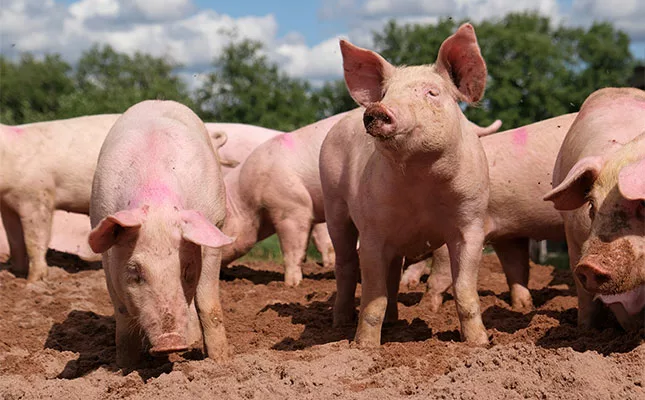
Advances in pig genetics are rapidly changing breeding and herd management. With digital phenotyping and artificial intelligence, breeders can now select pigs not just for growth and efficiency but also resilience, behaviour, and adaptability to changing climate and management conditions.


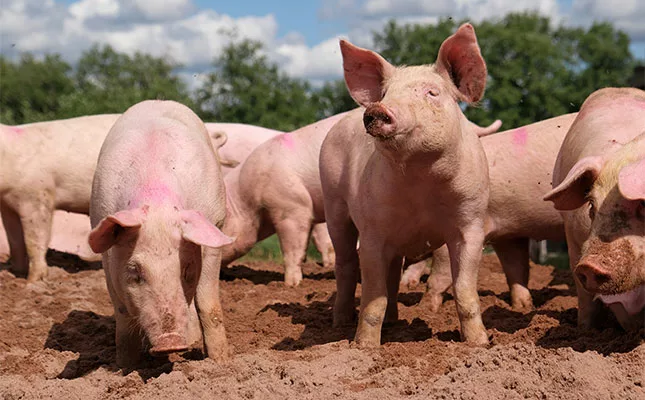
Photo: Wikimedia Commons
The pig of the future will not only grow faster and leaner; it will also be healthier, more socially adapted, and easier to manage. This was according to Dr Craig Lewis, chairperson of the European Forum of Farm Animal Breeders, who recently visited South Africa to discuss the genetic breakthroughs shaping modern pig production.
He explained that while traditional selection once focused narrowly on traits such as back fat or reproduction, today’s breeding programmes had a far broader scope, balancing welfare, sustainability, and efficiency to deliver results across the entire production chain.
“For decades, the focus of genetic selection in pigs was relatively simple: faster growth, leaner carcasses, and higher productivity. But this narrow approach often overlooked crucial elements such as animal welfare, sustainability, and antibiotic use.
“Today, we’re focusing on more diversified strategies that include improving individual piglet birth weight and reducing wean-to-finish mortality to increase throughput,” Lewis explained.
He believed the next step in genetic advancement would involve breeding pigs that were easier to manage. “The most common phrase I’ve heard among pig farmers in South Africa is that a good manager is hard to find. It’s a global challenge.
“So, we have to ask: what can genetics do to help mitigate the huge impact of variation in staff performance?”
Layering technology
Emerging technologies such as artificial intelligence and digital phenotyping are providing new answers. These tools enable breeders to assess a range of behavioural and health-related traits that were previously difficult to measure objectively.
“By moving away from human scoring and using digital tools, we’ve increased the heritability of leg structure threefold, for example. That means we can incorporate this trait into the herd three times faster, improving mortality, longevity, and manageability,” Lewis said.
Through digital imaging, ear tags could now be automatically read to track an individual pig’s movements and behaviour.
“For the first time, we can estimate the heritability of walking issues by monitoring how a pig moves in the pen. We can also see how many visits each pig makes to the feeder or water trough, and which animals are involved in tail biting, either as aggressors or recipients,” he explained.
This flood of behavioural and health data allows producers to identify not only which pigs grow fastest but which are the easiest to manage and the most consistent performers. When these data are combined with insights from blood metabolomics, thousands of new traits can be analysed and selected.
Lewis pointed to a current project at the University of Bologna in Italy that compared blood samples of Duroc pigs who maintained feed intake during extreme summer heat with those that reduced consumption.
“If we can select for pigs that stay productive in hot conditions, we could dramatically improve resilience to heat stress and maintain consistent growth rates year-round,” he said.
Such developments could also help farmers prepare for the impacts of climate change. “We’re starting to identify completely new traits that make pigs more robust and adaptable. That translates directly into meaningful business advantages,” Lewis added.
Traits of the future
Beyond productivity, these innovations could also contribute to sustainability goals. Breeding more efficient pigs lowers the per-kilogram carbon emissions of pork produced.
While producers weren’t yet being paid for reducing emissions, Lewis believed that when this became the case, carbon metrics would become part of the selection equation.
“These technologies are moving so fast that we don’t always know what’s coming next,” he noted.
“But they could deliver the next big leap in profitability, productivity, or farm management.”
At the same time, genetic progress is being shaped by evolving legislation. Therefore, breeding programmes of the future need to consider regulatory and market shifts.
Lewis noted that in Europe, there had been ongoing discussions about limiting litter sizes and restricting practices like cross-fostering or artificial milking.
“That’s why it’s critical that breeders align traits such as the number of born-alives with teat number to ensure welfare isn’t compromised,” he added.
Looking ahead, Lewis said there was a whole new suite of genetic markers emerging that would define how the pig of the future looked.
“Farmers need to keep evaluating their businesses to make sure they’re keeping up with these changes. Because if the pig is evolving, you need to evolve with it to capitalise on that genetic potential,” he explained.
He added that the pace of change would only accelerate: “Be ready. Get excited about what’s coming. Those who can harness the power of genetics will gain a real advantage. Genetic progress isn’t slowing down, and if you don’t adapt, the pig might just outpace your business.”


