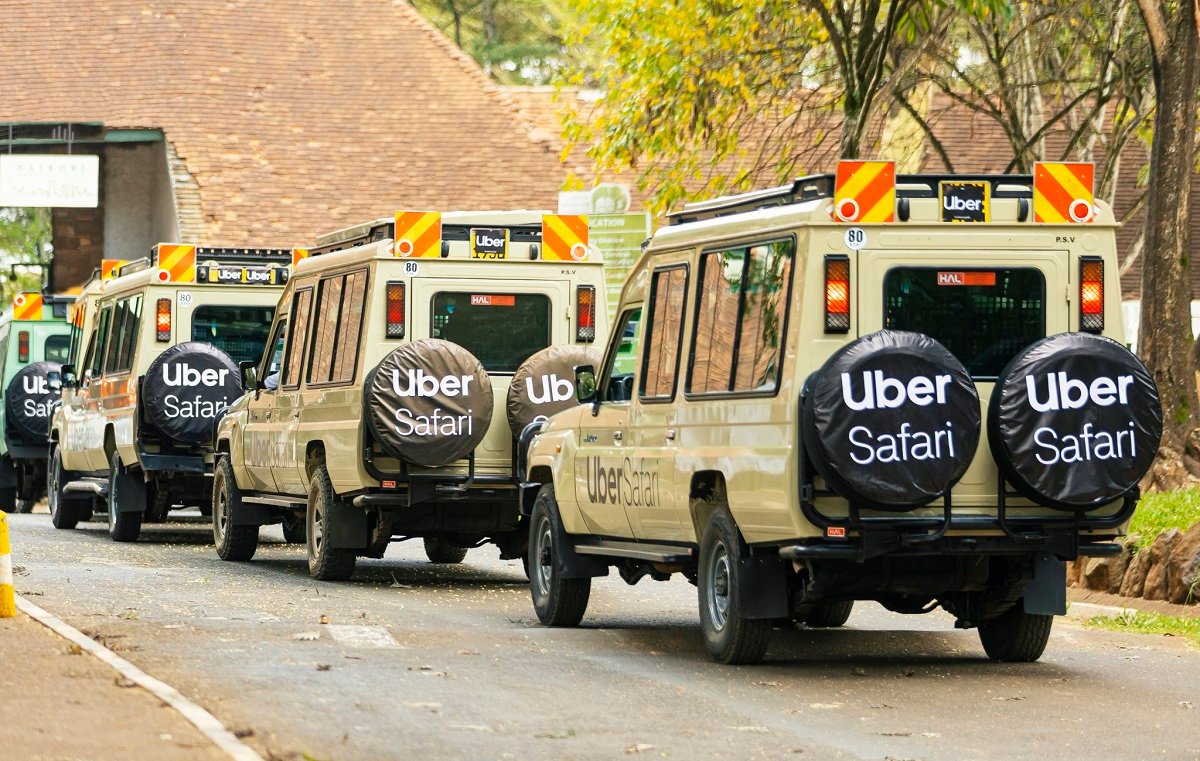
- Uber Safari’s debut in Kenya builds on the taxi firm’s 2024 pilot in South Africa’s Kruger National Park, which, despite initial challenges, is paving the way for scalable digital tourism.
- For Kenya, where tourism contributes about 10% to GDP and employs over 1.1M people, Uber Safari represents an innovative fusion of technology and tradition, potentially streamlining access to one of Africa’s premier urban wildlife destinations.
- Across Africa, Uber Safari’s expansion could inspire similar innovations in Uganda’s Bwindi or Namibia’s Etosha, driving sustainable growth.
Uber Technologies has unveiled a new offering, Uber Safari, a service that allows a group of holidaymakers to book for guided adventure at the Nairobi National Park, the only site of its kind globally. While the bold leap allows the taxi haling service to expand its menu of transportation, its implications across Kenya’s $4 billion industry are set to reverberate far and wide given the company’s trailblazing effect on the traditional tax business since 2009.
At launch, Uber announced that daytime tours for up to seven passengers will cost KES25,000 (about $190) for a three-hour experience, while nighttime safaris for five people run at KES40,000 ($305) targeting tourists heading to the Nairobi National Park.
The service has already attracted partners including the Kenya Wildlife Service (KWS) and certified local operators, with Uber Technologies noting that the vehicles in use such as Land Cruisers are equipped for safe, immersive excursions.
Uber’s debut in East Africa’s largest economy builds on the taxi firm’s 2024 pilot in South Africa’s Kruger National Park, which, despite initial challenges, paved the way for scalable digital tourism.
For Kenya, where tourism contributes about 10 per cent to GDP and employs over 1.1 million people, Uber Safari represents an innovative fusion of technology and tradition, potentially streamlining access to one of Africa’s premier urban wildlife destinations.
Empowering tour operators through partnerships
For tour industry operators in Kenya, Uber Safari offers a double-edged sword of opportunity and the urgent need for agility and adaptation at the speed of need. On one hand, the service integrates local expertise by collaborating with established safari firms, ensuring guides and vehicles meet KWS standards for safety and environmental compliance.
This partnership model could inject new revenue streams into the sector, which saw 2.4 million visitors in 2024—a 23 per cent increase from 2023—yet faces challenges such as high operational costs and fragmented booking systems.
By leveraging Uber’s app for pre-booking up to three months in advance, safari tour operators are set to gain visibility to a global user base of over 130 million, reducing no-shows while optimizing the utilization of their fleer.
Posts on X (formerly Twitter) from Kenyan tourism stakeholders highlight this as a “seamless bridge” between digital platforms and grassroots operators, potentially boosting earnings for small-scale providers in Kenya’s competitive market.
However, the integration must prioritize equitable revenue sharing to prevent displacement of independent tours, fostering a collaborative ecosystem where local knowledge drives innovation.
Uber Safari: Enhancing tourist experience
International tourists stand to benefit most from Uber Safari’s user-friendly approach, transforming a once cumbersome process into an effortless adventure. Traditional safari bookings often involve multiple apps, phone calls, and outright haggling on costing, but Uber’s one-tap system is poised to offer real-time availability, secure payments, and GPS-tracked pickups from hotels or the city center to set destination.
For visitors to Nairobi National Park—home to over 100 mammal species, including lions, antelopes, buffalos and black rhinos—this means more time enjoying the wildlife and less on logistics.
The service’s focus on both daytime and nighttime drives caters to diverse preferences, with nighttime tours providing a unique, less-crowded glimpse of nocturnal animals. As Kenya aims to attract five million tourists annually by 2027, Uber Safari aligns with digital tourism trends, enhancing safety through vetted drivers and KWS oversight. This could elevate Nairobi’s appeal as an urban safari gateway, drawing more millennials and Gen Z who prioritize tech-savvy, sustainable experiences.
Broader implications for African economies
If rolled out across other African economies, Uber Safari has the potential to catalyze a regional tourism renaissance, blending digital innovation with the continent’s rich natural wealth. In countries such as Tanzania, home to the iconic Serengeti National Park, or South Africa (Kruger), where safari tourism generates $12 billion annually, the model could standardize bookings, choke intermediaries and empowering local operators.
For instance, integrating with platforms such as Tanzania’s eCitizen or Rwanda’s Irembo could streamline park access, boosting efficiency in high-traffic areas. Economically, this might create thousands of jobs in guiding, vehicle maintenance, and digital support, while promoting sustainable practices—such as electric vehicles for low-emission drives—to align with Africa’s climate goals.
However, success hinges on inclusive partnerships to avoid marginalizing small operators, as seen in Uber’s South African pilot, which faced backlash for undercutting locals. In East Africa, where tourism supports 8.5 per cent of GDP, scaling Uber Safari could diversify revenue beyond traditional lodges, fostering resilience against global shocks like pandemics. Ultimately, it positions Africa as a leader in tech-enabled eco-tourism, unlocking $50 billion in potential by 2030 if equitably managed.
Overall, Uber Safari’s Nairobi debut signals a promising evolution for African tourism, where technology amplifies rather than replaces human-led experiences. Regionally, its expansion could inspire similar innovations in Uganda’s Bwindi or Namibia’s Etosha, driving sustainable growth.
As Kenya’s tourism sector rebounds—contributing KES562 billion to the economy in FY24—Uber Safari exemplifies how digital tools can elevate Africa’s wildlife heritage, creating shared prosperity if navigated thoughtfully.
Read also: Global leaders unite in Abu Dhabi to redefine tourism investment