

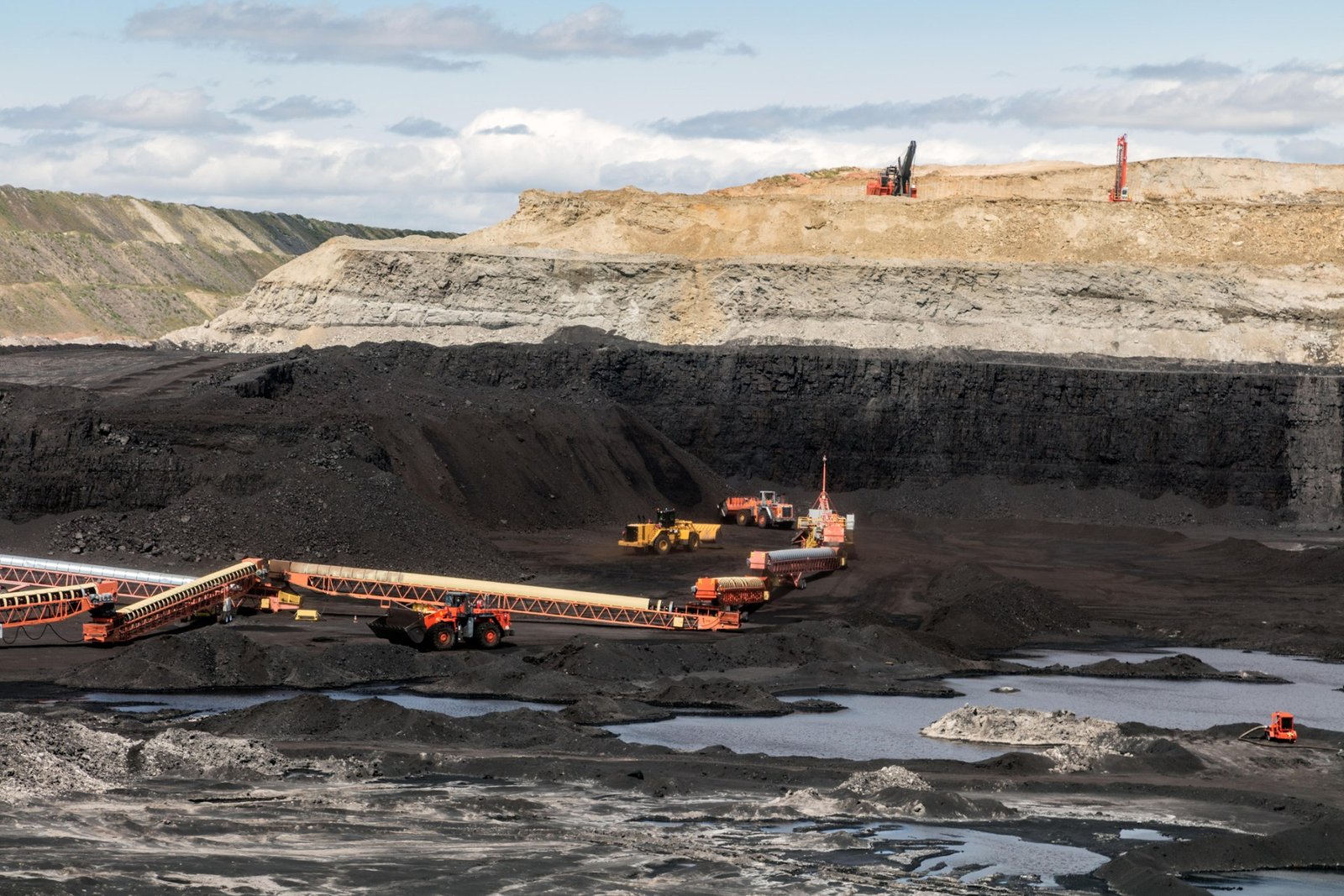
On the sagebrush plains of eastern Montana, cattle graze alongside mule deer, and pumpjacks rise from coal seams. For nearly a decade, the future of this landscape was hammered out in the Miles City Resource Management Plan, a compromise shaped by ranchers, tribes, hunters, energy companies and conservationists. Now, with one vote in Washington, Congress has thrown that bargain into doubt, and with it, decades of public-lands decisions across the West.
Finalized in November 2024 after years of debate and litigation, the Miles City plan is one of the nation’s largest, governing 12 million acres of BLM land and 55 million acres of federal mineral estate across eastern Montana.
But on Sept. 3, the U.S. House of Representatives voted to overturn three Bureau of Land Management plans, including Miles City, under the Congressional Review Act, the first time the law has ever been applied to land-use planning. Legal experts and conservation groups warn that the consequences could be far-reaching, enabling Congress to unravel decades of environmental protections and management decisions on public lands.
Resource management plans serve as guidelines for how the BLM manages the public lands it oversees. The plans are developed through a lengthy process that combines local and tribal input with environmental review under the National Environmental Policy Act. The goal is to create a blueprint for “multiple use” management, balancing economic activities such as grazing and oil and gas development with other concerns, including wildlife habitat, outdoor recreation and conservation.


In Montana, the disappearance of that blueprint will have immediate consequences. Ranchers face uncertainty on how many cattle they can run, when their permits will be renewed, and what will happen during a serious drought. Tribal cultural sites are likely to be left unprotected and years of tribal consultation overridden. Conservation groups warn that congressional vetoes could sideline science-based safeguards for vulnerable habitats. In Miles City, the resource management plan would have reformed coal seam leases near the Powder River Basin; without those reforms, habitat for elk, mule deer, sharp-tailed grouse and pheasants could be fragmented by new energy development.

The Miles City plan drew input from ranchers, tribes, energy companies, hunters, outdoor recreation groups and conservation groups, and its supporters argue that undoing it sets a dangerous precedent.
“It’s disregarding all the conversations that have happened on the ground,” said Land Tawney of American Hunters and Anglers. “That balance sometimes isn’t perfect for anybody, but it’s a path forward for all.”
“It’s disregarding all the conversations that have happened on the ground.”
Jeanine Alderson, a rancher based near Birney, Montana, said that local ranchers are deeply concerned.
“The biggest reality is the uncertainty, because we’re doing this for the long haul,” Alderson said. She fears it will “just create an endless cycle of litigation that could grind grazing permits to a halt.”
Alderson said the resolution prioritizes the concerns of faraway bureaucrats over local ranchers’ input. “Those of us who live with this don’t have any say in what happens to the land we own and have leased for generations,” she said. “It was a collaborative process, and to have that overturned in one fell swoop is stunning.”
The 1996 Congressional Review Act allows Congress to overturn agency rules within a 60-day window using only a simple majority, bypassing the filibuster. This is the first time resource management plans have ever been treated as “rules.”
“That’s why we’re at an inflection point,” said Chris Winter, director of the Getches-Wilkinson Center at the University of Colorado Law School. (Disclosure: Winter serves on High Country News’ board of directors.) Resource management plans, he said, have never been submitted to Congress for review. “Applying it now could unravel decades of land-use planning practice,” he said.
The CRA was employed only once before 2017, but the first Trump administration dramatically expanded its use. If this resolution stands, it would subject all RMPs to possible congressional approval, throwing every element of the planning process into doubt. According to Michael Blumm, a professor at Lewis & Clark Law School, this reinterpretation “calls into question the legitimacy” of the more than 100 plans finalized since the Congressional Review Act became law.
Conservationists and legal experts worry about the act’s “substantially similar” clause, which bars agencies from issuing a new rule that resembles one Congress has rejected. Because the law doesn’t define what counts as “too similar,” an agency could be left in limbo, without guidance on revision, and unable to try again if its replacement is judged to mirror the disapproved version.
“In the absence of guidance, agencies are going to be scratching their heads without a lot of concrete direction,” Winter said. “That will create a lot of confusion and litigation risk.”
Some see this as the latest attempt by the Trump administration to hollow out public-lands protection by stripping authority from land-management agencies and giving it to Congress instead. Montana Reps. Troy Downing and Ryan Zinke, Republicans who have long styled themselves as advocates for small government and local control, both supported the resolution — even after Zinke opposed public-land sell-offs earlier this year. (Neither responded to a request for comment.) Now, the resolution heads to the Senate for a vote within 60 days.
“I fear that this strategy is going to lead to arguments that the system isn’t working, that the agencies aren’t being effective,” said Winter. “And that all of it becomes justification for dismantling the public-lands system over time.”


