
• Business
  • Energy
  • Markets
  • Intelligence
    • Policy Intelligence
    • Fashion Intelligence
    • Economic Intelligence
    • Security Intelligence
  • Technology
  • Infrastructure
  • Politics
  • LBNN Blueprints
  • Business
  • Energy
  • Markets
  • Intelligence
    • Policy Intelligence
    • Fashion Intelligence
    • Economic Intelligence
    • Security Intelligence
  • Technology
  • Infrastructure
  • Politics
  • LBNN Blueprints
LIVE MARKETS
Initializing...
Home Energy

Nigeria reduces offshore oil cost recovery to 70% to boost revenue

Simon Osuji by Simon Osuji
September 3, 2025
in Energy
0
Nigeria reduces offshore oil cost recovery to 70% to boost revenue
0
SHARES
2
VIEWS
Share on FacebookShare on Twitter


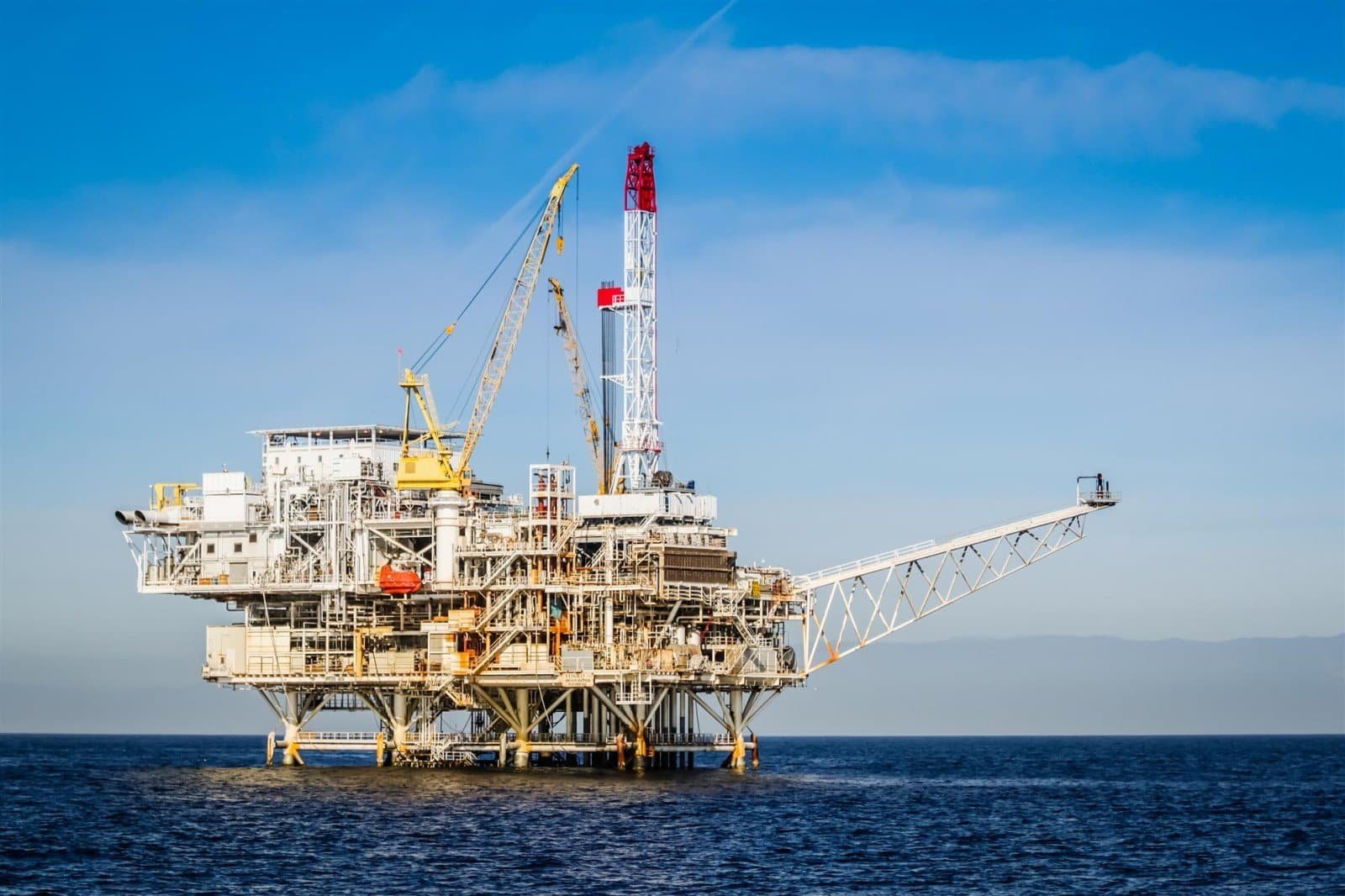
Nigeria has reduced the amount oil companies can recover from their investments in offshore projects, as the government seeks more income to cover a widening budget gap.

Firms operating under Production Sharing Contracts with the state-owned Nigerian National Petroleum Company Limited (NNPC) will now be allowed to recover up to 70% of their expenses, compared with 80% previously, the Group Chief Executive Officer of NNPC, Bashir Ojulari, said at a briefing in Abuja on Monday.

Ojulari explained that the adjustment will “ensure continuous flow of production funds into the federation” while maintaining returns for investors.

He noted that the move will increase the government’s share of oil revenue without discouraging participation by international companies.

NNPC explains new recovery cost agreement

Moreover, the NNPC head explained that the remaining 30% of unrecoverable cost, also known as profit oil, will be shared between the companies and the government, in line with individual contract terms.

The change is expected to affect global oil majors such as Shell, ExxonMobil, Chevron, and TotalEnergies.

These firms operate deep water offshore projects including Agbami, Egina, and Akpo, which together contribute about one third of Nigeria’s daily crude output.

Nigeria, Africa’s largest oil producer, relies heavily on revenue from oil to fund its national budget.

Any change in cost recovery rules directly affects how much money flows into government accounts from crude sales.

Nigeria’s budget and oil targets

The adjustment comes at a time when lower crude prices and reduced production are putting pressure on government finances.

The International Monetary Fund projects Nigeria’s fiscal deficit could rise to 4.7% of Gross Domestic Product (GPP) in 2025, up from 4.1% in 2024.

The government had based its 2025 spending plan on an oil price of $75 per barrel and daily production of 2.06 million barrels per day (bpd).

However, both prices and production are currently below those assumptions, threatening to deepen the revenue shortfall.

Nigeria’s ability to raise income from its oil sector remains critical for funding infrastructure, public services, and other commitments.

Ojulari noted that the revised cost recovery ceiling was part of efforts to balance investor returns with national revenue needs.

“The federation stake is strengthened while contractors still receive fair value,” he stated.

The measure reflects the government’s bid to secure more funds from the oil industry, which continues to play a central role in the country’s economy despite global shifts towards cleaner energy sources.


Track Africa’s energy trends as they emerge

Get exclusive insights across renewables, oil & gas, and infrastructure to stay informed and make smarter decisions.


Source link

Previous Post

Sohar Port signs deal for sustainable shore power project

Next Post

U.S. mission issues fresh security alert for citizens in Nigeria

Next Post
U.S. mission issues fresh security alert for citizens in Nigeria

U.S. mission issues fresh security alert for citizens in Nigeria

Leave a Reply Cancel reply

Your email address will not be published. Required fields are marked *

POPULAR NEWS

  • Mahama attends Liberia’s 178th independence anniversary

    Mahama attends Liberia’s 178th independence anniversary

    0 shares
    Share 0 Tweet 0
  • Ghana to build three oil refineries, five petrochemical plants in energy sector overhaul

    0 shares
    Share 0 Tweet 0
  • The world’s top 10 most valuable car brands in 2025

    0 shares
    Share 0 Tweet 0
  • Top 10 African countries with the highest GDP per capita in 2025

    0 shares
    Share 0 Tweet 0
  • Global ranking of Top 5 smartphone brands in Q3, 2024

    0 shares
    Share 0 Tweet 0

Get strategic intelligence you won’t find anywhere else. Subscribe to the Limitless Beliefs Newsletter for monthly insights on overlooked business opportunities across Africa.

Subscription Form

© 2026 LBNN – All rights reserved.

Privacy Policy | About Us | Contact

Tiktok Youtube Telegram Instagram Linkedin X-twitter
No Result
View All Result
  • Home
  • Business
  • Politics
  • Markets
  • Crypto
  • Economics
    • Manufacturing
    • Real Estate
    • Infrastructure
  • Finance
  • Energy
  • Creator Economy
  • Wealth Management
  • Taxes
  • Telecoms
  • Military & Defense
  • Careers
  • Technology
  • Artificial Intelligence
  • Investigative journalism
  • Art & Culture
  • LBNN Blueprints
  • Quizzes
    • Enneagram quiz
  • Fashion Intelligence

© 2026 JNews - Premium WordPress news & magazine theme by Jegtheme.