• Business
  • Markets
  • Politics
  • Crypto
  • Finance
  • Intelligence
    • Policy Intelligence
    • Security Intelligence
    • Economic Intelligence
    • Fashion Intelligence
  • Energy
  • Technology
  • Taxes
  • Creator Economy
  • Wealth Management
  • LBNN Blueprints
  • Business
  • Markets
  • Politics
  • Crypto
  • Finance
  • Intelligence
    • Policy Intelligence
    • Security Intelligence
    • Economic Intelligence
    • Fashion Intelligence
  • Energy
  • Technology
  • Taxes
  • Creator Economy
  • Wealth Management
  • LBNN Blueprints

Scientists Just Caught Human Embryo Implantation on Camera

Simon Osuji by Simon Osuji
August 22, 2025
in Artificial Intelligence
0
Scientists Just Caught Human Embryo Implantation on Camera
0
SHARES
0
VIEWS
Share on FacebookShare on Twitter


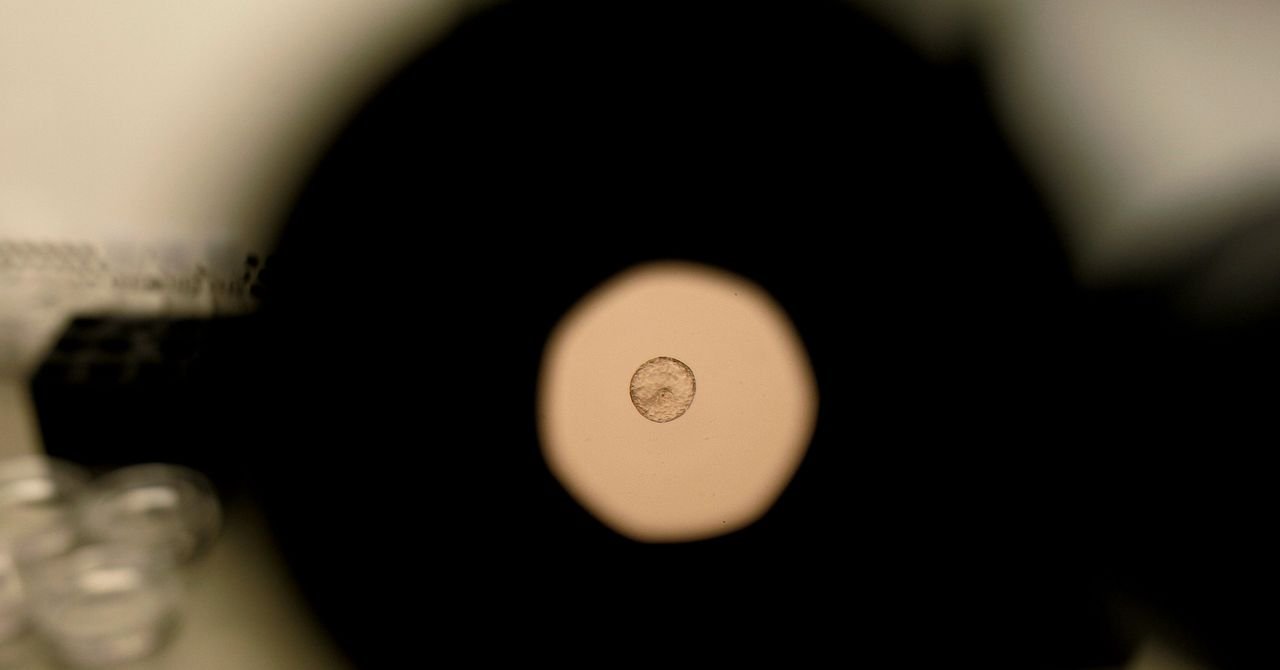
The simulation made it possible to appreciate how a human embryo does not merely adhere to the uterine lining, but actively inserts itself. “We observe that the embryo pulls on the uterine matrix, moving and reorganizing it,” explained Amélie Godeau, coauthor of the research, which was published in Science Advances.

These movements could explain the pain some women report days after fertilization. “Although it’s known that many women experience abdominal pain and light bleeding during implantation, the process itself has never been observed before,” Ojosnegros said.

Different Species, Different Tactics

The researchers also compared the implantation of human embryos and mouse embryos. They found that mouse embryos implant themselves by extending over the surface of the womb, whereas human embryos can firmly embed themselves in any direction, including down into the uterine lining. The comparison underscores that each species has developed its own tactics to achieve implantation.

Time-lapse video of the implantation process of a mouse embryo (left) and a human embryo (right).

Furthermore, when applying external mechanical stimuli to the embryos, the researchers observed that they both responded to these, but in different ways. Human embryos recruited myosin, a protein that contributes to the regulation of muscle contraction, and reoriented some of their protrusions, while mouse embryos adjusted the orientation of their body axis toward the source of the force. These findings demonstrate that embryos are not passive receptors, but rather actively perceive and respond to external mechanical signals received during implantation.

Understanding the mechanical forces involved in implantation offers new opportunities for research: a particular avenue could be perfecting the selection and treatment of embryos in assisted-reproduction programs. Another obvious next step will be to explore the mechanical causes of infertility, in addition to those already known to be genetic.

The human embryos used in this research were provided by Dexeus Mujer Barcelona, a women’s health clinic that specializes in obstetrics, gynecology, and reproductive medicine. “Our work consisted of providing technical advice and rigorously selecting the human embryos donated for research, ensuring they met the ideal conditions for the project,” said Miquel Solé, director of the Dexeus Mujer Cryopreservation Laboratory.

This story originally appeared on WIRED en Español and has been translated from Spanish.



Source link

Related posts

The Fight Over US Climate Rules Is Just Beginning

The Fight Over US Climate Rules Is Just Beginning

February 15, 2026
Many Adjustable Bed Frames Have a “Zero Gravity” Feature. I Tried It for a Week

Many Adjustable Bed Frames Have a “Zero Gravity” Feature. I Tried It for a Week

February 15, 2026
Previous Post

Google Pixel 10 Series, Pixel Watch 4, Pixel Buds 2a: Specs, Features, Release Date

Next Post

ODNI to shrink further under new reorganization plan

Next Post
ODNI to shrink further under new reorganization plan

ODNI to shrink further under new reorganization plan

Leave a Reply Cancel reply

Your email address will not be published. Required fields are marked *

RECOMMENDED NEWS

Stop Calling Online Scams ‘Pig Butchering,’ Interpol Warns

Stop Calling Online Scams ‘Pig Butchering,’ Interpol Warns

1 year ago
Saba Saba: Youth attend concerts for slain protesters

Saba Saba: Youth attend concerts for slain protesters

2 years ago
UK signs AI safety treaty to protect human rights and democracy

UK signs AI safety treaty to protect human rights and democracy

1 year ago
Artificial intelligence may not be artificial

Artificial intelligence may not be artificial

5 months ago

POPULAR NEWS

  • Ghana to build three oil refineries, five petrochemical plants in energy sector overhaul

    Ghana to build three oil refineries, five petrochemical plants in energy sector overhaul

    0 shares
    Share 0 Tweet 0
  • The world’s top 10 most valuable car brands in 2025

    0 shares
    Share 0 Tweet 0
  • Top 10 African countries with the highest GDP per capita in 2025

    0 shares
    Share 0 Tweet 0
  • Global ranking of Top 5 smartphone brands in Q3, 2024

    0 shares
    Share 0 Tweet 0
  • When Will SHIB Reach $1? Here’s What ChatGPT Says

    0 shares
    Share 0 Tweet 0

Get strategic intelligence you won’t find anywhere else. Subscribe to the Limitless Beliefs Newsletter for monthly insights on overlooked business opportunities across Africa.

Subscription Form

© 2026 LBNN – All rights reserved.

Privacy Policy | About Us | Contact

Tiktok Youtube Telegram Instagram Linkedin X-twitter
No Result
View All Result
  • Home
  • Business
  • Politics
  • Markets
  • Crypto
  • Economics
    • Manufacturing
    • Real Estate
    • Infrastructure
  • Finance
  • Energy
  • Creator Economy
  • Wealth Management
  • Taxes
  • Telecoms
  • Military & Defense
  • Careers
  • Technology
  • Artificial Intelligence
  • Investigative journalism
  • Art & Culture
  • LBNN Blueprints
  • Quizzes
    • Enneagram quiz
  • Fashion Intelligence

© 2023 LBNN - All rights reserved.