

With the outsourcing space becoming increasingly cutthroat, Business Process Outsourcing (BPOs) find themselves trapped in a relentless race to the bottom. Aggressive pricing demands from clients and undercutting by low-cost competitors leave local operators with no choice but to sacrifice margins just to stay in the game.
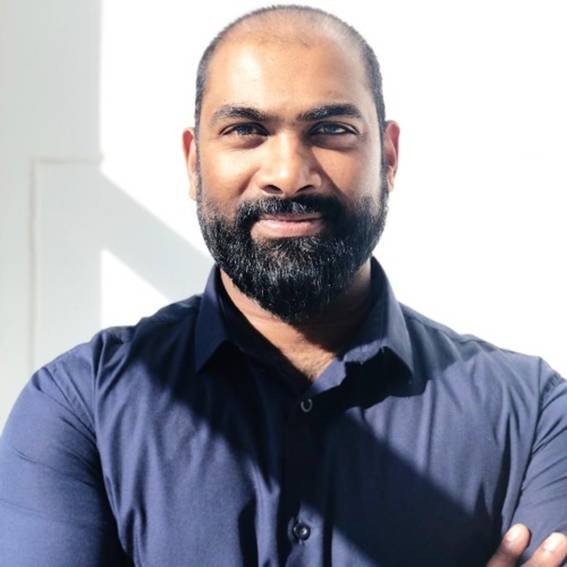
by Sanjay Govender, Qrent’s Head of GBS/BPO Solutions
Despite 76% of BPO leaders prioritising scalable, on-demand IT, many still rely on outdated, capital-heavy procurement. Margins are down to just 10–15%, with inflation and global instability squeezing them further. IDC warns global IT spend could drop to just 4% under extended trade tensions.
Yet in places like Cape Town and KwaZulu-Natal, bids often differ by only a few rand. Clients treat BPOs as commodities, and everyone ends up cutting just to stay competitive. Innovation suffers, and the profit bleed continues.
This race to the bottom leaves little room for innovation or sustainable practices—cost‑cutting becomes the only goal. According to a 2024 BPO industry report, companies are increasingly expected to “do more with less,” seeking cheaper outsourcing destinations as inflation pressures consultants and clients alike.
Many BPOs worsen the problem by buying hardware outright—locking up capital and exposing themselves to price shocks. Lead times of 4–6 weeks make it impossible to scale fast for seasonal spikes, leaving providers unprepared and overstretched.
Renting refurbished equipment offers a way out. It can reduce IT costs by 30–50%, smooth out budgets, and deliver real-time scalability. Qrent, for instance, can deploy new infrastructure in 5 days, or 48 hours in urgent cases. No more overprovisioning or panic-buying.
Crucially, renting also protects BPOs from inflation and tariffs by fixing costs and removing the need for large upfront investments. Add rising ESG scrutiny, and traditional ownership becomes a liability. Qrent’s circular model allows clients to meet sustainability goals without sacrificing performance or flexibility.
Time to rewrite the playbook
The BPO industry stands at a crossroads. We can keep playing the suicidal pricing game – where every new deal erodes our margins further – or we can demand smarter solutions. The data and 2025 forecasts make it clear: doing nothing is not an option.
Leading BPOs are already breaking ranks by rethinking IT strategy. They’re partnering with IT hardware specialists like Qrent to ditch bloated capex plans, shore up profits, and even win bids by offering more (sustainability, flexibility) for less.
It’s a contentious stance, but perhaps that’s what this debate needs. Yes, some will call it radical to stop buying and start renting so aggressively. But when every Rand counts, moderation is a luxury we cannot afford. We should be asking ourselves: why pay full price for equipment we don’t fully use? Why accept supply delays that inflate hidden costs?
In the end, providers who cling to outdated models will find themselves outpaced by leaner, more adaptive peers. The real controversy isn’t saying renting and circular IT are better – it’s that we’ve made it this far without making the switch. If 2024/25 teaches BPOs anything, it’s that survival favours the bold. It’s time to lean in, cut the lines that drain our margins, and lead our industry with smarter, greener solutions.
The post The BPO margin crisis no one wants to talk about appeared first on Infrastructure news.


