– Advertisement –
The Treaty on Plastics poses significant harm for oil and gas producing nations in Africa and stands to stifle economic and industry growth across the continent, says the African Energy Chamber (AEC)
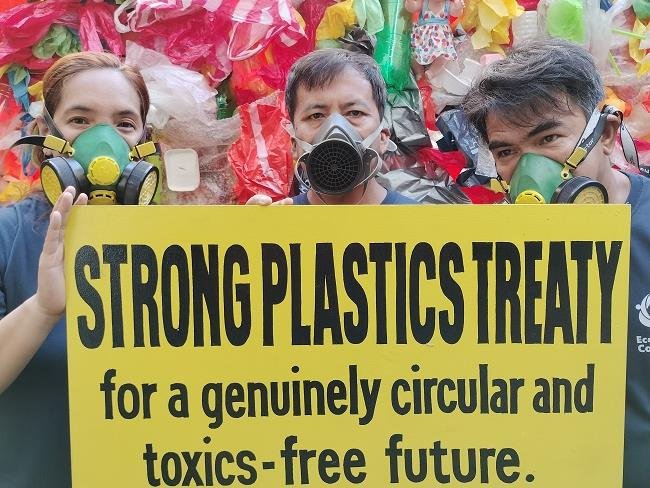
The second part of the fifth session of the Intergovernmental Negotiating Committee on the Treaty on Plastics is currently being held in Geneva, Switzerland, with over 170 nations meeting to discuss the implementation of a legally-binding instrument on plastic pollution. If signed, the treaty would cut the production levels of single-use plastics, posing significant economic damages to hydrocarbon-producing countries – particularly those in Africa.
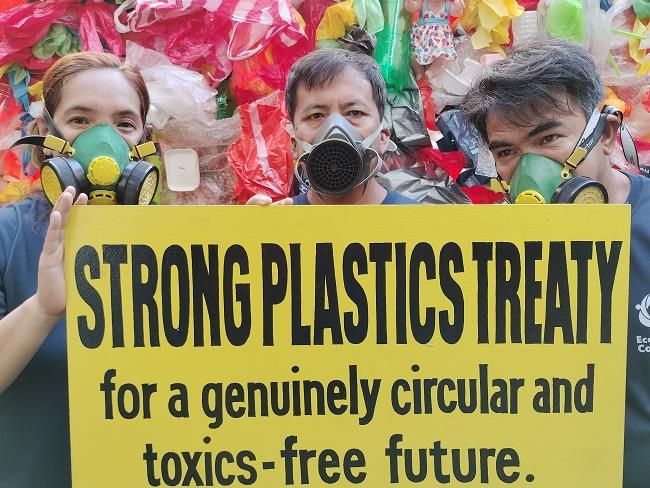
The African Energy Chamber (AEC) strongly opposes the proposed Treaty on Plastics. While the intentions behind such a treaty may stem from environmental concerns in the developed world, its implementation would devastate the petrochemical industry in Africa. This treaty would effectively stifle the growth of Africa’s oil and gas industry, leading to increased energy poverty, hindered manufacturing, stalled industrialisation and a decline in vital investments for the chemicals sector.
African countries, particularly Gabon, Ghana, Angola and Senegal, would bear the brunt of this impact. These are nations which have long-faced economic challenges, yet they possess significant deposits of oil and gas resources. Gabon holds 2 billion barrels of oil and 1.2 trillion cubic feet (tcf) of gas; Ghana has 1.1 billion barrels of oil and 2.1 tcf of gas; Senegal has 1 billion barrels of oil and 120 tcf of gas; while Angola has 9 billion barrels of oil and 11 tcf of gas.
These resources promise to turn Africa’s economy around, primarily through opportunities in petrochemical production. The rise in petrochemical manufacturing in Africa brings with it a wave of economic benefits – from employment opportunities to the introduction of essential materials and supply chains to global trade and innovation. Petrochemicals will catalyse development across strategic sectors, including healthcare, agriculture and transportation. Faced with both an energy and food crisis, Africa requires petrochemicals to improve livelihoods and ensure inclusive growth.
By opposing the Treaty on Plastics, African nations can protect their path to energy security, industrial growth and economic prosperity. Gabon, for example, is making significant strides towards alleviating energy poverty through investments in oil and gas projects. Targeting 220,000 barrels per day (bpd), the country seeks to diversify its economy through the expansion of petrochemicals, LNG and LPG processing. Major projects include the $2 billion Cap Lopez LNG terminal – starting in 2026 – the Batanga LPG plant and the SOGARA refinery, which targets 1.5 million tons by 2030.
The Treaty on Plastics would disrupt this growth, impacting Gabon’s efforts to strengthen its economy. Ongoing oil and gas projects in Senegal would also be jeopardized by the Treaty. Following the start of operations at the Greater Tortue Ahmeyim (GTA) project in 2025 and the Sangomar oilfield in 2024, Senegal is advancing efforts to improve domestic fuel security, facilitate the development of new industries and spur economic development.
GTA has a capacity of 2.3 million tons per annum (mtpa), with subsequent phases increasing output to 5 mtpa. Sedin Engineering plans to build a refinery and petrochemical plant in the country leveraging offshore resources to produce high-value plastics and chemicals. The Treaty on Plastics would restrict this.
Meanwhile, Ghana’s ambitious petrochemical park would suffer significantly, undermining the country’s industrial development. The country plans to develop a $12 billion petroleum hub in Jomoro, which, following the completion of all phases, will incorporate three 300,000 bpd refineries, five petrochemical plants, storage facilities and port infrastructure.
The Treaty on Plastics would impact this project, which has the potential to drastically improve energy and food security across the West African region. Angola – sub-Saharan Africa’s second biggest oil producer – plans to enhance petrochemical production under efforts to diversify the oil-reliant economy.
Under the Gas Master Plan – aimed at attracting $30 billion in investment and generating over $150 billion in economic benefits through the natural gas sector – Angola aims to bolster petrochemical and fertiliser production, thereby supporting the creation of new industries. The Treaty on Plastic could see a dramatic decline in oil, gas and plastic demand, impacting Angola’s progress to diversify and grow its economy.
Tanzania – home to upwards of 57 tcf of gas reserves – is also pursuing several petrochemical and natural gas projects. Through the development of the $42 billion Tanzania LNG project, the country seeks to accelerate industrialisation, positioning itself as a global hub for oil, gas and associate by-products. Projects such as the Tanzania Mbolea and Petrochemicals Company Kilwa Complex – a proposed project that targets a capacity of 3.8 mtpa – are central to this goal.
Once completed, the plant will be the largest fertiliser-manufacturing factory in Africa producing a variety of petrochemical products, including urea and ammonia. The complex is expected to commence commercial operations in 2028, but if the Treaty on Plastics is signed, it could significantly impact the project’s ability to secure financing and reach completion.
“The AEC calls on African nations, specifically Gabon, Ghana, Angola, and Senegal, to reject support for this treaty. We urge these countries to prioritise their energy and industrial needs over external environmental agendas that do not align with Africa’s developmental priorities. Supporting this treaty would amount to shooting yourselves in the foot, making no sense for Africa’s future,” stated NJ Ayuk, Executive Chairman of the AEC.
The Plastics Treaty is an international effort to create a legally binding agreement aimed at addressing plastic pollution globally, with negotiations set to conclude in 2025.