
• Business
  • Markets
  • Politics
  • Crypto
  • Finance
  • Intelligence
    • Policy Intelligence
    • Security Intelligence
    • Economic Intelligence
    • Fashion Intelligence
  • Energy
  • Technology
  • Taxes
  • Creator Economy
  • Wealth Management
  • LBNN Blueprints
  • Business
  • Markets
  • Politics
  • Crypto
  • Finance
  • Intelligence
    • Policy Intelligence
    • Security Intelligence
    • Economic Intelligence
    • Fashion Intelligence
  • Energy
  • Technology
  • Taxes
  • Creator Economy
  • Wealth Management
  • LBNN Blueprints

The Demise of China’s Hottest Online Shopping Craze

Simon Osuji by Simon Osuji
July 22, 2025
in Artificial Intelligence
0
The Demise of China’s Hottest Online Shopping Craze
0
SHARES
0
VIEWS
Share on FacebookShare on Twitter


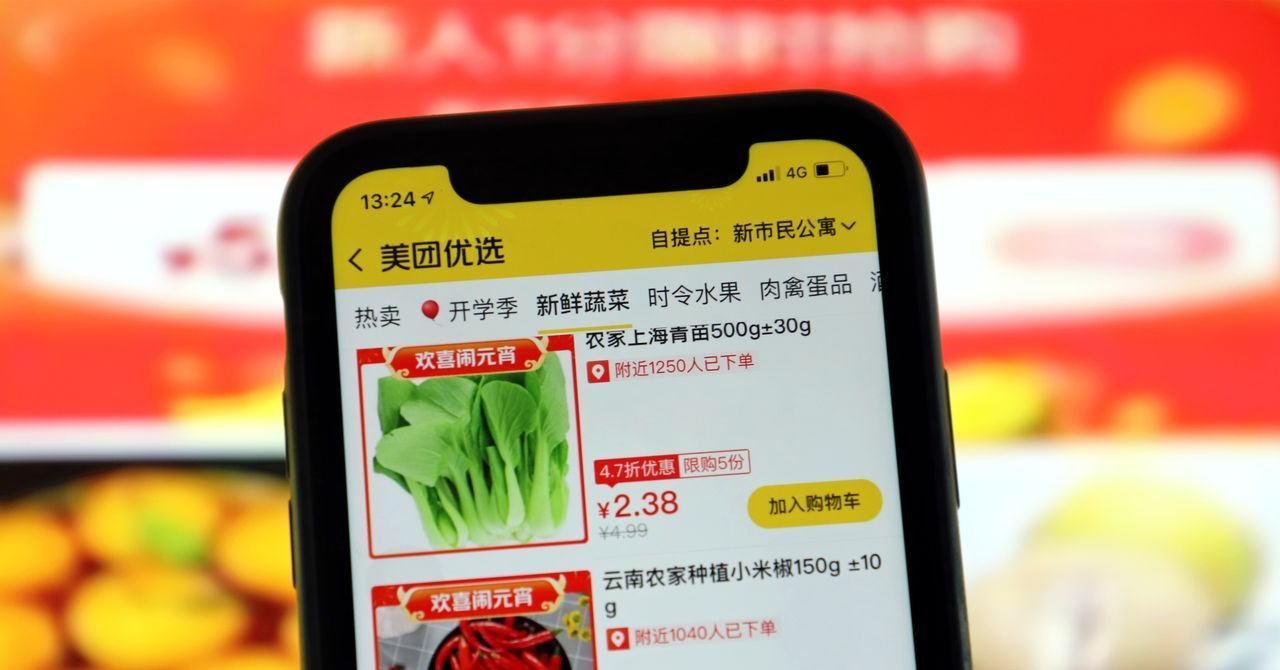
During the height of the pandemic, a unique kind of online shopping became one of the hottest trends in China’s tech industry. Called “community group buying,” it allowed consumers to save money on everything from apples to iPhones by placing bulk orders together with their friends and family. The model, which was kind of like Groupon meets Instacart, proved especially popular for groceries. But now, China’s community group-buying platforms are vanishing one by one.

Late last month, Meituan, the Chinese food delivery giant, announced it was abruptly shutting down its grocery group-buying operations in all but four provinces, surprising many customers and even suppliers.

In March, Alibaba’s grocery group-buying arm, Taocaicai, closed down as well. Xingsheng Youxuan, the company that kickstarted the nationwide industry, is now only operating in three provinces, down from 18. Today, Pinduoduo, the Chinese sister company of Temu, is the only major internet platform still offering grocery group-buying across the nation.

Selling groceries is not a business with high margins, and the cost of shipping something as small as a few potatoes may never make financial sense for a tech company. The promise of group-buying, however, was that pooling orders by the dozen and delivering them all to one place might just be profitable enough.

The industry began forming in the late 2010s, but it really grew when the Covid-19 pandemic hit. As Chinese cities went into intermittent lockdowns for three years, going to a grocery store was often impossible, and tech firms seized the chance to digitize and monopolize more everyday activities. While households in the biggest and most developed cities could afford having groceries delivered to their homes directly, people in less developed regions found an alternative in purchasing groceries in groups.

At the start of the 2020s, community group-buying was seen as an innovative solution to the last-mile delivery challenges associated with grocery delivery. But as pandemic lockdowns ended and Chinese companies, including Meituan, continued expanding their dense networks of couriers, they started to offer delivery in as little as 30 minutes, eliminating the need for people to get together with their neighbors to do a group buy.

“Now, instant retail is also coming to the lower-tier cities, so people could also get groceries for maybe the same price as community group-buying but within an hour, instead of waiting for a day and having to pick it up from a community group leader,” says Ed Sander, a tech analyst at Tech Buzz China, who has been tracking the group-buying industry for several years. “We have arrived at a time when it is almost an old model.”

The day Meituan shut down most of its group-buying services, it also released a statement saying it would expand its instant delivery business. Meituan did not respond to a request for comment from WIRED.

Side Gigs

One of the most interesting aspects of the group-buying business model is that it relies on thousands of contract community leaders. Called tuanzhang—a playful twist on the Chinese term for the military title “regimental commander”—these people often have deep connections to local communities and are recruited by platforms to promote their services and assemble bulk grocery orders.

In exchange for sales commissions, community leaders sort out the grocery orders, and then either deliver them directly to their neighbors or wait at home for people to come pick them up. Most of the community leaders are either owners of small retail shops or stay-at-home moms and retirees who have plenty of time for a side gig.


Source link

Related posts

Newsweek CEO Dev Pragad warns publishers: adapt as AI becomes news gateway

Newsweek CEO Dev Pragad warns publishers: adapt as AI becomes news gateway

February 13, 2026
Alexa+ and Kindle Scribe Now Work Together With ‘Send to Alexa’

Alexa+ and Kindle Scribe Now Work Together With ‘Send to Alexa’

February 13, 2026
Previous Post

foodpanda unveils first-ever Local Foodie Heroes Hall of Fame

Next Post

Today’s D Brief: No new-tanker contest; US bases cleared to house immigrants; Marine to run USNA; Airliner dodges B-52; And a bit more.

Next Post
Today’s D Brief: No new-tanker contest; US bases cleared to house immigrants; Marine to run USNA; Airliner dodges B-52; And a bit more.

Today’s D Brief: No new-tanker contest; US bases cleared to house immigrants; Marine to run USNA; Airliner dodges B-52; And a bit more.

Leave a Reply Cancel reply

Your email address will not be published. Required fields are marked *

RECOMMENDED NEWS

Meta Suing Ex-VP, Alleges Took Documents to AI Cloud Startup

Meta Suing Ex-VP, Alleges Took Documents to AI Cloud Startup

2 years ago
Yetunde – Investment Management in Africa

Yetunde – Investment Management in Africa

1 year ago
Accel leads $4M investment in Egyptian corporate cards platform Swypex

Accel leads $4M investment in Egyptian corporate cards platform Swypex

2 years ago
MTN Nigeria, Huawei Deploy ‘RuralCow’ to Expand Mobile Coverage in Remote Areas

MTN Nigeria, Huawei Deploy ‘RuralCow’ to Expand Mobile Coverage in Remote Areas

2 months ago

POPULAR NEWS

  • Ghana to build three oil refineries, five petrochemical plants in energy sector overhaul

    Ghana to build three oil refineries, five petrochemical plants in energy sector overhaul

    0 shares
    Share 0 Tweet 0
  • The world’s top 10 most valuable car brands in 2025

    0 shares
    Share 0 Tweet 0
  • Top 10 African countries with the highest GDP per capita in 2025

    0 shares
    Share 0 Tweet 0
  • Global ranking of Top 5 smartphone brands in Q3, 2024

    0 shares
    Share 0 Tweet 0
  • When Will SHIB Reach $1? Here’s What ChatGPT Says

    0 shares
    Share 0 Tweet 0

Get strategic intelligence you won’t find anywhere else. Subscribe to the Limitless Beliefs Newsletter for monthly insights on overlooked business opportunities across Africa.

Subscription Form

© 2026 LBNN – All rights reserved.

Privacy Policy | About Us | Contact

Tiktok Youtube Telegram Instagram Linkedin X-twitter
No Result
View All Result
  • Home
  • Business
  • Politics
  • Markets
  • Crypto
  • Economics
    • Manufacturing
    • Real Estate
    • Infrastructure
  • Finance
  • Energy
  • Creator Economy
  • Wealth Management
  • Taxes
  • Telecoms
  • Military & Defense
  • Careers
  • Technology
  • Artificial Intelligence
  • Investigative journalism
  • Art & Culture
  • LBNN Blueprints
  • Quizzes
    • Enneagram quiz
  • Fashion Intelligence

© 2023 LBNN - All rights reserved.