
By Stacy M. Brown
Black Press USA Senior National Correspondent


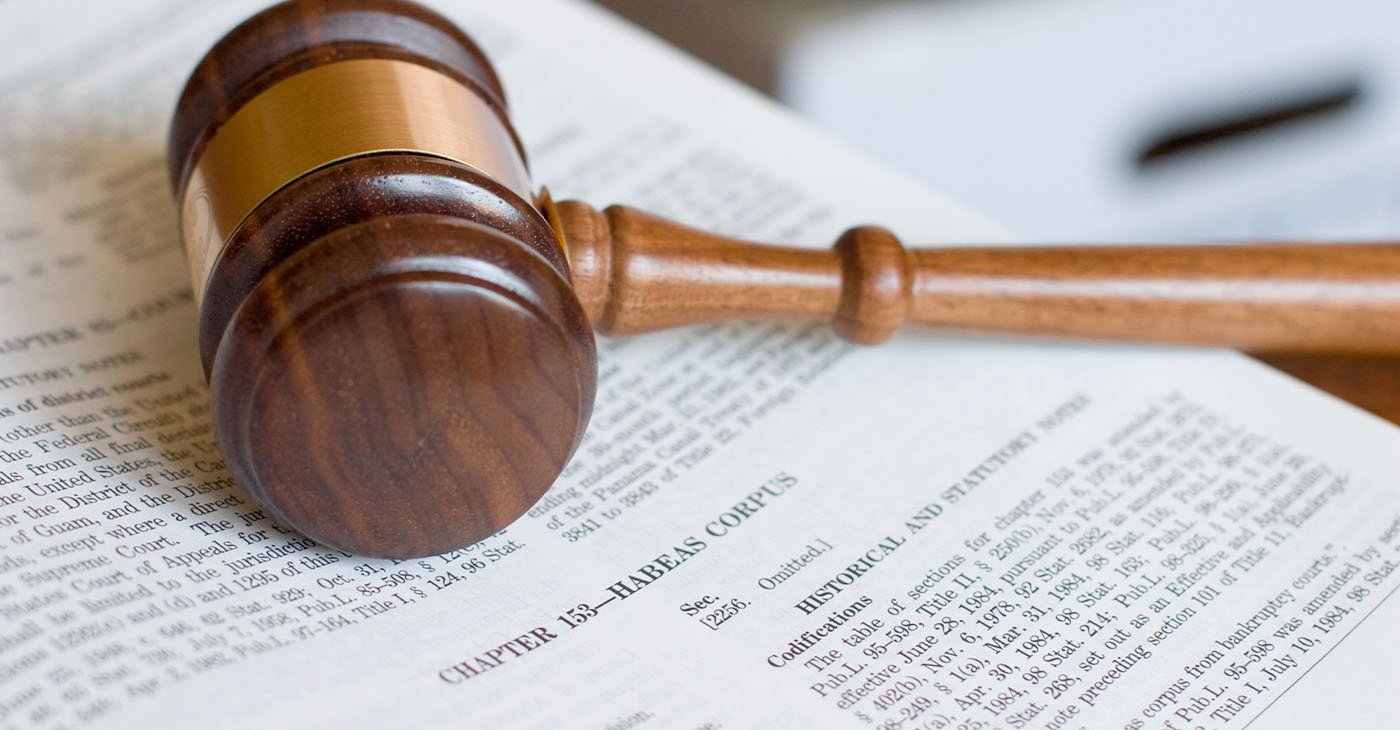
Senior White House adviser Stephen Miller confirmed the Trump administration is “actively looking at” suspending the writ of habeas corpus — a constitutional right that allows individuals to challenge unlawful detention. Though framed as a move against undocumented immigrants, historians and legal experts warn the consequences could be far more sweeping, especially for Black Americans. “The Constitution is clear,” Miller told reporters. “The privilege of the writ of habeas corpus can be suspended in time of invasion.” Miller cited immigration at the southern border as justification, using language similar to what President Trump has repeatedly described as an “invasion.” But civil liberties advocates and Black historians say suspending this right — a cornerstone of due process — would reopen legal pathways used throughout U.S. history to detain, punish, and silence Black Americans. From the Fugitive Slave Law of 1850 to Reconstruction-era terror and Japanese internment in World War II, the right to habeas corpus has been both a shield and a last resort for marginalized people. Its suspension has consistently led to devastating consequences. “Black Americans remember what happens when the government has unchecked power to detain,” wrote historian Amanda Tyler, author of Habeas Corpus in Wartime. “This isn’t new. It’s the same mechanism that was used to capture fugitive slaves and suppress Black resistance during Reconstruction.”
In 1850, Congress passed a law that denied suspected fugitives any right to testify in court or even seek habeas relief. Free Black Americans were captured alongside escapees. “It meant no Black person in the North was safe,” wrote historians James and Lois Horton, who documented how the law turned states like Massachusetts into hunting grounds for slave catchers backed by federal power. The parallels are striking. Today, many of the deportation cases the Trump administration wants to fast-track involve habeas claims — legal challenges asserting that the government has no lawful basis for detention. One such case involves Rumeysa Öztürk, a Turkish student at Tufts University, who was jailed for 45 days without charges. A federal judge in Vermont ordered her release after she filed a habeas petition, arguing her detention was based on her political speech and not any crime. Miller hinted that such judicial checks on the executive branch are part of the reason for considering suspension. “It depends on whether the courts do the right thing or not,” he said. That sentiment echoes past abuse. During Reconstruction, Congress had to pass the Ku Klux Klan Act in 1871 to protect Black citizens from paramilitary terror. The act allowed President Grant to suspend habeas corpus — not to restrict civil rights, but to crush white supremacist violence.
Now, the suspension is being considered not to protect Black life, but to expand detention powers in the name of immigration control. Critics say that opens the door to much broader repression. “The legal history is clear,” said Tyler. “Suspending habeas has often led to the erosion of other rights — especially for Black people.” The fear isn’t hypothetical. In 1786, a Black father named Cato used a writ of habeas corpus to rescue his daughter Betsey from re-enslavement in Pennsylvania. Their case became one of the first major freedom suits in U.S. legal history. Even during Lincoln’s suspension of habeas corpus in 1862, a fierce backlash followed. Lincoln justified it during a rebellion. Critics warned then — as now — that the nation cannot preserve itself by abandoning the very liberties it claims to protect. Stephen Miller’s comments come at a time when millions of Americans are already concerned about voter suppression, militarized policing, and authoritarian tactics. For Black Americans, the prospect of suspending habeas corpus rings especially loud. “When we hear this,” said one civil rights attorney, “we don’t just hear a legal argument. We hear footsteps from the past.”