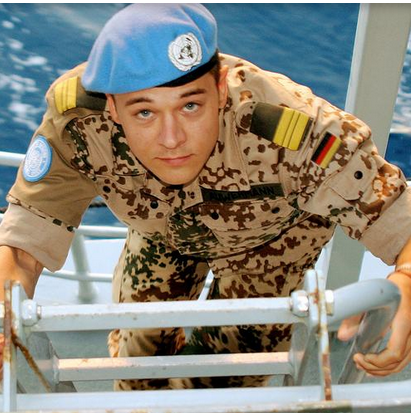

Around a thousand delegates are currently in Munich, Germany, for the United Nations (UN) Peacekeeping Ministerial working to shape a more agile, intelligent and resilient peacekeeping model for the world body.
Ahead of the event, which Secretary-General Antonio Guterres will attend, a UN statement pointed to intensifying conflicts from South Sudan to the Middle East and Kashmir while geopolitical divides weaken international consensus, the Ministerial is seen as one of the most significant since its inception 11 years ago.


“We are facing more internal and inter-state conflicts than at any point since World War 11,” Jean-Pierre Lacroix, UN Under-Secretary-General for Peace Operations, said before the event.
Additional challenges such as transnational crime, online disinformation, and climate change are also affecting missions at a time when peacekeeping budgets continue to shrink
Despite these pressures, the blue helmets continue working under difficult conditions. “They protect hundreds of thousands of people. Often, their presence is the difference between life and death,” according to Lacroix
Germany, a key contributor to UN peacekeeping, is leading organisation of the ministerial. “Peacekeeping is multilateralism in action. We want to provide a platform for member states to strengthen peacekeeping for the future,” Nils Hilmer, German State Secretary for Defence, said.
Sessions in Berlin include pledging events, high level debates, exhibitions and a spotlight on Germany’s involvement in missions including UNIFIL in Lebanon and UNMISS in South Sudan.