

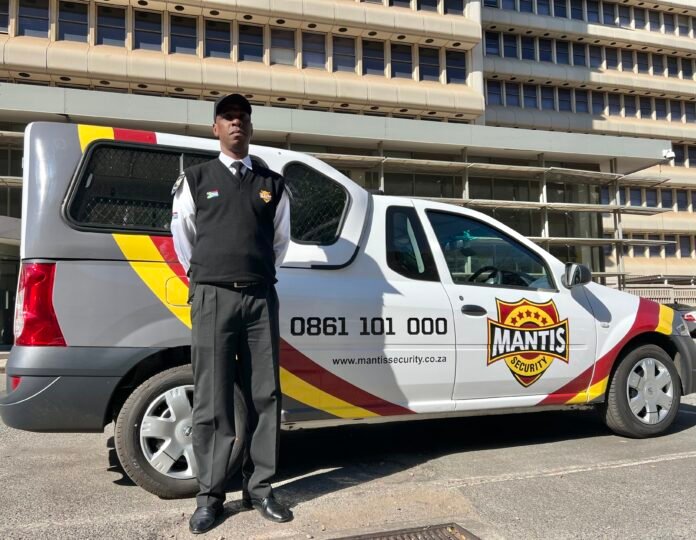

The South African private security industry, employing more than 500 000 people, plays a critical role in maintaining safety and stability. Yet, the sector now faces a serious threat through proposed amendments to the Private Security Industry Regulation Act (PSIRA). These changes, already described as draconian by Ian Cameron, Chairperson of the Parliamentary Portfolio Committee on Police, risk not only weakening the industry’s operational capacity but also severely compromising public safety.


These proposals come amid a national crime crisis. Gauteng alone accounts for nearly 27 percent of all reported crimes in the country, including rape, kidnappings, hijackings, and armed robberies. In provinces such as KwaZulu-Natal, the Eastern Cape, and the Western Cape, communities contend daily with gang violence, cash-in-transit heists, and farm attacks. With police resources stretched thin, the private security sector often serves as the first and, in some cases, only line of defence for vulnerable South Africans.
Among the key concerns raised by the proposed amendments are:
- A ban on carrying firearms in public spaces such as shopping malls, churches, schools, and stadiums, regardless of threat level
- A requirement for all firearms to be fitted with GPS tracking devices, supplied only by vendors appointed by PSIRA, raising concerns around privacy, cost, and monopolisation
- Vague and undefined restrictions on the quantity and type of ammunition permitted
- A ban on essential defensive tools including batons, tonfas, handcuffs, and pepper spray
- Compulsory annual psychological evaluations for all officers, with no national standard, oversight, or clear appeal mechanisms
- No process for re-evaluation following trauma or for challenging disqualification
- Mandatory risk assessments for all sites, regardless of contract length or complexity, with no defined format or standard
- A requirement for all operational functions to be pre-registered with PSIRA, risking delays in emergency response
- Potential penalties for officers who act in self-defence without a pre-approved risk profile, which is operationally unworkable
As a former police instructor and hostage negotiator with extensive experience in high-risk law enforcement operations, I can say with confidence that these proposals are disconnected from the realities faced by security professionals on the ground. Prohibiting commonly used defensive tools places officers in a position where they must choose between withdrawing or escalating to deadly force—neither of which is acceptable in a professional context.
South African firearm laws are already among the strictest in the world. Additional operational restrictions, without logic or flexibility, increase the risks to both officers and the public they protect. While psychological assessments may be necessary, they must be implemented with fairness, consistency, and professional oversight. Without these safeguards, they will become grounds for exclusion, discrimination, and litigation. Smaller and mid-sized companies, which form the backbone of many community-level services, may not survive the cost burden, leading to job losses and an increasingly monopolised industry.
According to the South African National Security Employers Association (SANSEA), the proposed amendments could result in mass retrenchments. Independent cost assessments suggest that compliance costs could increase by up to 60 percent. This would have devastating consequences, especially in rural and under-resourced communities where private security firms fill the vacuum left by an overstretched police service.
Internationally, tools such as pepper spray, batons, and handcuffs are regarded as minimum equipment for private security officers. Countries like the United States, Australia, and various European nations maintain clear regulations for such tools not blanket prohibitions. South Africa risks overregulating its private security sector to the point of operational failure, placing vulnerable communities at even greater risk.
To ensure that regulation strengthens rather than weakens the sector, I propose the following:
- Open and inclusive consultation with experienced industry practitioners, legal experts, and public safety analysts
- A full socio-economic impact study before implementation, particularly focused on employment and service delivery risks
- Development of nationally recognised standards for psychological assessments, under the guidance of professional bodies
- Regulation—not prohibition—of defensive tools such as batons, pepper spray, and handcuffs
- A phased implementation plan, including training and financial support for smaller security providers
- A re-evaluation of the blanket firearm ban in public spaces, allowing for exceptions in high-risk operational environments
South Africans deserve to feel safe, and the private security industry remains a critical pillar in supporting that safety. While regulation is necessary, it must be practical, professional, and informed by operational realities. Without a balanced and inclusive approach, we risk weakening the very structures that protect our homes, businesses, and communities.
Armand Badenhorst is a former South African Police Service officer, having served as a Hostage and Crisis Negotiator and Instructor. He currently works as a security specialist in the private sector.



