• Business
  • Markets
  • Politics
  • Crypto
  • Finance
  • Intelligence
    • Policy Intelligence
    • Security Intelligence
    • Economic Intelligence
    • Fashion Intelligence
  • Energy
  • Technology
  • Taxes
  • Creator Economy
  • Wealth Management
  • LBNN Blueprints
  • Business
  • Markets
  • Politics
  • Crypto
  • Finance
  • Intelligence
    • Policy Intelligence
    • Security Intelligence
    • Economic Intelligence
    • Fashion Intelligence
  • Energy
  • Technology
  • Taxes
  • Creator Economy
  • Wealth Management
  • LBNN Blueprints

Wildfires Are Contaminating Water Supplies

Simon Osuji by Simon Osuji
September 2, 2024
in Artificial Intelligence
0
Wildfires Are Contaminating Water Supplies
0
SHARES
0
VIEWS
Share on FacebookShare on Twitter


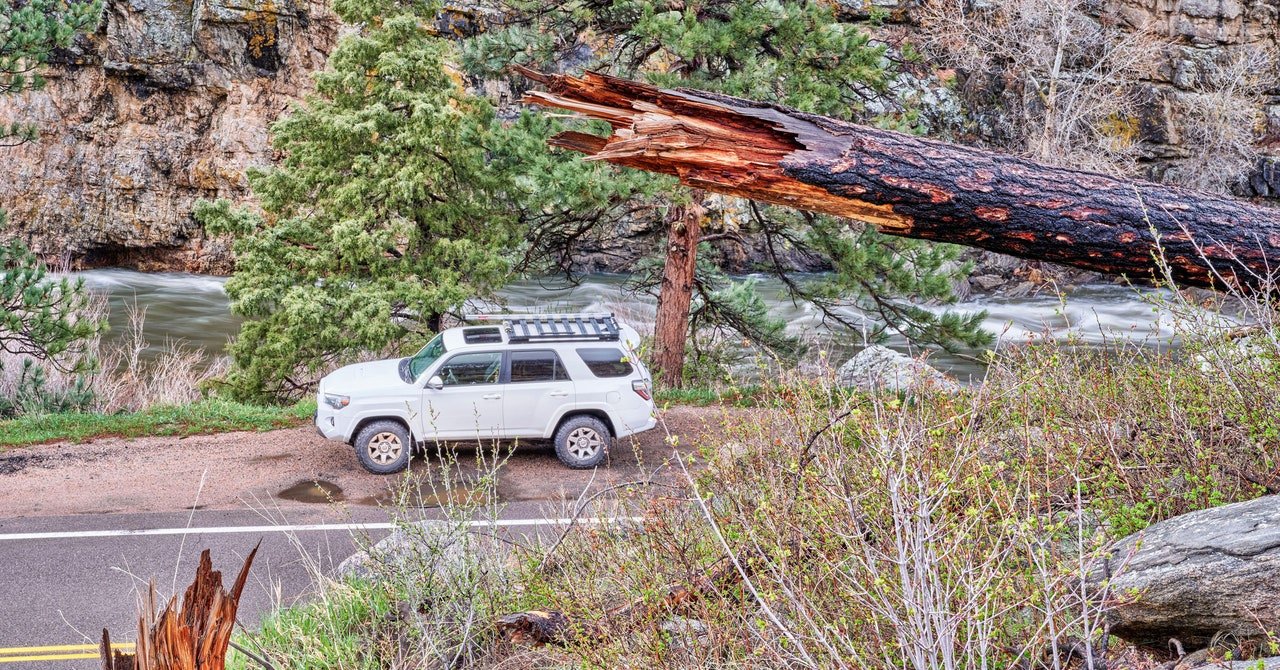
If you stood on the banks of the Cache la Poudre River in Colorado after the 2020 Cameron Peak Fire, the rumbling water may have appeared black. This slurry of ash and charred soil cascaded toward the reservoirs that supply drinking water for the downstream city of Fort Collins, home to around 170,000 people. Although the water looked clear again several weeks later, Charles Rhoades, a research biogeochemist at the US Forest Service Rocky Mountain Research Station, says he is still seeing contaminants from the fire in the watershed.

Recent studies have found that while some watersheds begin to recover within five years of a fire, others may be fundamentally altered, never fully returning to their pre-fire conditions. And with wildfires becoming more common, much larger, and burning for longer as the world warms, hydrologists, ecologists, and water-management officials are scrambling to understand and mitigate the consequences fire-contaminated water can have on humans and ecosystems.

In a healthy forest, there’s a lot of “litter” on the ground—pine needles, dead leaves, debris. “It acts like a sponge,” says Rhoades. “As rainfall comes in, it moves through that layer slowly and can trickle into the soil.” When fires scorch the land, they burn that vegetation and organic matter, leaving behind a bare landscape that’s highly susceptible to erosion. Instead of filtering into the ground, rain will slide right off the surface, moving quickly, picking up soil, and carrying it into streams and rivers. Not only does this cause sediment build-up, but it can disrupt the water chemistry. Rhoades found elevated levels of nutrients, like nitrogen, in rivers almost 15 years after a high-severity fire. These nutrients can lead to harmful algal blooms, although they don’t directly impact drinking water quality. But other sites show increased levels of heavy metals like manganese, iron, and even lead after a major fire, which can complicate water-treatment processes.

Other regions across the western US, like Taos, New Mexico, and Santa Cruz, California, have faced similar issues, as wildfires increase in frequency and duration due to climate change and decades of fire-suppression practices. For much of the 20th century, the US Forest Service and other land management agencies aimed to keep all fires from burning, believing it was the best way to protect forests. But naturally occuring, low-severity fires improve forest health, preventing the accumulation of dense underbrush and dead trees that act as fuel.

“We have this huge buildup of fuel on the landscape from 140 years of fire suppression, and we know that the consequences of that—combined with increases in severe weather—make the likelihood of really intense fire behavior much higher than it used to be,” says Alissa Cordner, an environmental sociologist and professor at Whitman College in Washington state and volunteer wildland firefighter. “We also have more and more people living next to forests and migrating to places in the wildland-urban interface.” Any municipality is at risk of water contamination if a wildfire burns through its watershed.

“Consumers rarely know about all this stuff that’s going on under the hood,” says Rhoades. After a wildfire, water providers work tirelessly to ensure residents don’t experience the effects in their taps, which requires collaboration between land agencies, like the Forest Service, USGS, and local governing bodies. They perform regular water testing, install sediment-control structures, and sometimes, alter water treatment protocols to deal with the increased load of contaminants.



Source link

Related posts

CBP Used Online Ad Data to Track Phone Locations

CBP Used Online Ad Data to Track Phone Locations

March 7, 2026
The WIRED Guide to Wires: How to Manage the Mess of Cables Around Your Desk

The WIRED Guide to Wires: How to Manage the Mess of Cables Around Your Desk

March 7, 2026
Previous Post

Virginia Company to Support Inaugural US Space Force Officer Training Course

Next Post

Kenya Airways wins five nominations in 2024 World Travel Awards

Next Post
Kenya Airways wins five nominations in 2024 World Travel Awards

Kenya Airways wins five nominations in 2024 World Travel Awards

Leave a Reply Cancel reply

Your email address will not be published. Required fields are marked *

RECOMMENDED NEWS

Doner Shack is an Award Winning Franchise in the Multi Billion Dollar Kebab Market!

Doner Shack is an Award Winning Franchise in the Multi Billion Dollar Kebab Market!

1 year ago
CDC panel, recast by RFK Jr., softens COVID vaccine recommendations

CDC panel, recast by RFK Jr., softens COVID vaccine recommendations

6 months ago
New Douglas CCS platform in works as Eni files HyNet plans

New Douglas CCS platform in works as Eni files HyNet plans

2 years ago
The D Brief: ‘Most intense combat since WWII’; Navy’s big drone bet; Chinese, Philippine ships collide; NATO chief in DC; And a bit more.

The D Brief: ‘Most intense combat since WWII’; Navy’s big drone bet; Chinese, Philippine ships collide; NATO chief in DC; And a bit more.

2 years ago

POPULAR NEWS

  • Mahama attends Liberia’s 178th independence anniversary

    Mahama attends Liberia’s 178th independence anniversary

    0 shares
    Share 0 Tweet 0
  • Ghana to build three oil refineries, five petrochemical plants in energy sector overhaul

    0 shares
    Share 0 Tweet 0
  • The world’s top 10 most valuable car brands in 2025

    0 shares
    Share 0 Tweet 0
  • Top 10 African countries with the highest GDP per capita in 2025

    0 shares
    Share 0 Tweet 0
  • Global ranking of Top 5 smartphone brands in Q3, 2024

    0 shares
    Share 0 Tweet 0

Get strategic intelligence you won’t find anywhere else. Subscribe to the Limitless Beliefs Newsletter for monthly insights on overlooked business opportunities across Africa.

Subscription Form

© 2026 LBNN – All rights reserved.

Privacy Policy | About Us | Contact

Tiktok Youtube Telegram Instagram Linkedin X-twitter
No Result
View All Result
  • Home
  • Business
  • Politics
  • Markets
  • Crypto
  • Economics
    • Manufacturing
    • Real Estate
    • Infrastructure
  • Finance
  • Energy
  • Creator Economy
  • Wealth Management
  • Taxes
  • Telecoms
  • Military & Defense
  • Careers
  • Technology
  • Artificial Intelligence
  • Investigative journalism
  • Art & Culture
  • LBNN Blueprints
  • Quizzes
    • Enneagram quiz
  • Fashion Intelligence

© 2023 LBNN - All rights reserved.