

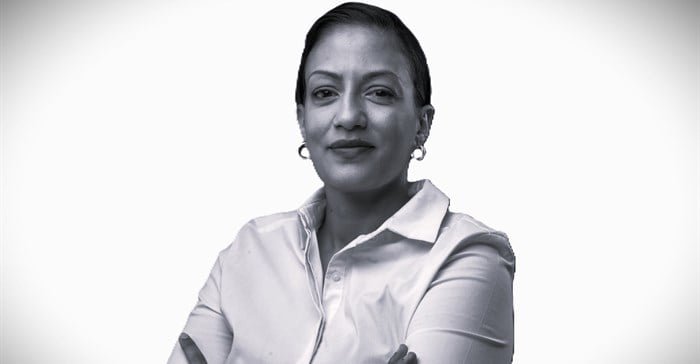
The South African construction industry is finally taking gender inclusivity seriously by recognising the importance of specialised personal protective equipment (PPE) for women workers. Desiree Hlubi, Sisi brand manager at BBF Safety Group talks about this shift towards tailored PPE solutions, particularly in safety footwear and how it not only enhances protection but also boosts morale and productivity.

Desiree Hlubi, Sisi brand manager at BBF Safety Group
Why is there a need for gender-specific PPE in the construction industry?
The fundamental reason is that men and women have different physical builds. Ill-fitting PPE can leave parts of the body exposed, creating safety hazards.
Gender-specific PPE ensures that women are equally protected as their male counterparts.

Have you seen any positive changes in the workplace when women wear PPE tailored to their bodies?
Absolutely. There’s a noticeable improvement in confidence and work approach. The industry is slowly recognising the importance of catering to the unique needs of female workers, including those related to pregnancy.
How does Sisi and BBF address the need for cost-effective, locally produced PPE?
We prioritise local manufacturing to create jobs and boost the South African economy. While we may not be the cheapest, we offer high-quality, durable garments that compete with imported products.
What challenges do you face in sourcing materials and developing PPE locally?
The decline of the South African textile industry has made sourcing some materials challenging. We balance local sourcing with importing to keep products affordable.
Fabric technology advancements often focus on high-volume men’s PPE, but we ensure these benefits trickle down to the women’s range.
We incorporate features like easy-to-use bathroom access flaps in boiler suits and longer jackets to ensure coverage and dignity for women.
Are construction companies actively seeking information about gender-specific PPE?
There’s growing interest, particularly from government sectors and the mining industry, driven by the increasing number of women entering these fields. However, cost remains a significant factor influencing procurement decisions.
How do you balance the need for flexibility and comfort with the effectiveness of the workwear?
Our designs prioritise both practicality and comfort. We incorporate features like easy-to-use bathroom access flaps in boiler suits and longer jackets to ensure coverage and dignity for women.
Has the increased availability of gender-specific PPE encouraged more women to join male-dominated industries?
While it’s still a progressive shift, we see a steady increase in women entering these sectors. Private sector investments in scholarships and training programmes further contribute to this positive trend.
What’s the biggest benefit of the construction industry adopting gender-specific PPE?
Embracing gender-specific PPE isn’t just about safety; it’s about fostering inclusivity and empowering women in the workplace. By providing tailored solutions, we create a more comfortable and equitable environment for everyone.
The industry must continue to prioritise education and awareness to drive positive change and advance gender equality.


