The energy sector is rarely free from the spotlight, but with a potential change of political leadership on the horizon next month, there has been even more talk about the future of the North Sea in the battle to win votes.
Labour has set out its plans to fully decarbonise the grid by 2030, with an increase of 60GW in offshore wind capacity, while the Conservatives have also proposed a 50GW boost.
Regardless of the election outcome, the push for decarbonisation shows no signs of slowing down and we expect to see continued momentum in the renewables sector.
For offshore wind, that means more proposals for new projects, increased turbine manufacturing, construction and installation, and a growing workforce with the expertise needed to fulfil the demand.
Compared to the decades-old oil and gas sector, it is still a relatively new industry and that comes with both opportunities and challenges.
On the one hand, it allows a clean slate and a chance to establish new, potentially better ways of working.
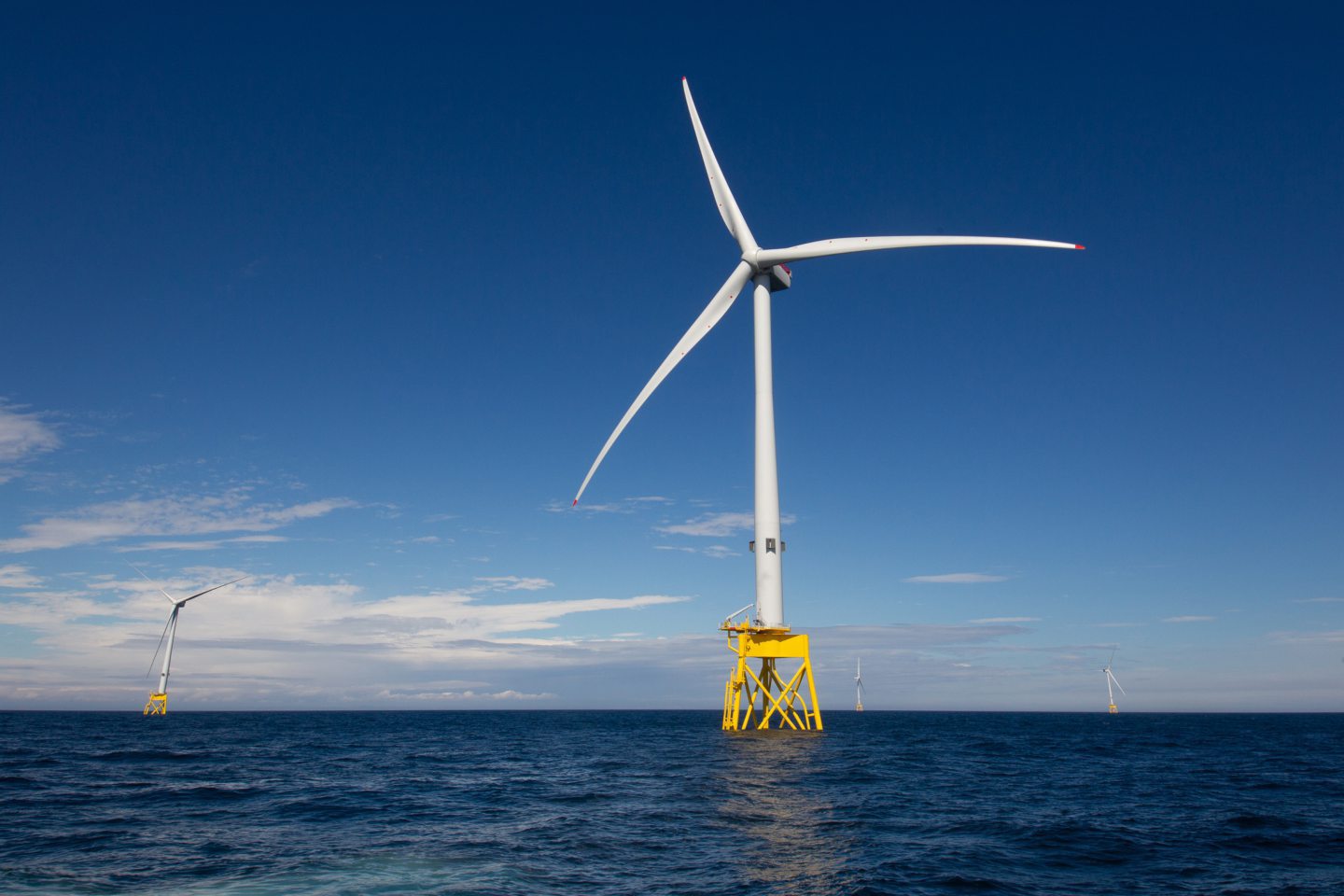 © Supplied by SSE Renewables
But on the other, it can be unpredictable with no standard route to deal with any brand-new issues that may arise.
From a legal perspective, contracts are one of the key elements where a fresh approach is needed.
Wind contracts
There are of course lessons to be learned from both offshore oil and gas projects, and onshore construction and engineering work.
But, while there are well-established standardised contract terms for each of these, neither is necessarily right for offshore wind.
Templates first published by the Institute of Petroleum in 1999, called LOGIC (Leading Oil and Gas Industry Competitiveness, now rebranded as Leading Offshore Energy Industry Competitiveness), and the international standard for the consulting industry, FIDIC (International Federation of Consulting Engineers), can be a useful starting point.
 © Supplied by Frame
Oil and gas contracts, for instance, tend to include the mutual hold harmless indemnity regime which essentially means that each party is responsible for damage to its own property or injury to its own personnel (and losses/claims associated with both), regardless of fault.
This is in recognition of (i) the significant financial exposure to the other party if held responsible; and (ii) that those risks are already covered by the first party’s insurance policies.
Without these regimes, parties face the choice of taking out extensive and costly insurance policies, which may not even be available, let alone commercially accessible, or accept those risks without the insurance coverage.
Each of these scenarios results in costs inevitably increasing and risking the survival of the supply chain.
Adapting contracts for wind
However, both types of contracts also contain several clauses that do not apply or need to be adapted for wind projects and their supply chain.
There will usually be specific terms relating to the risk of pollution that are less relevant to the wind sector, for example.
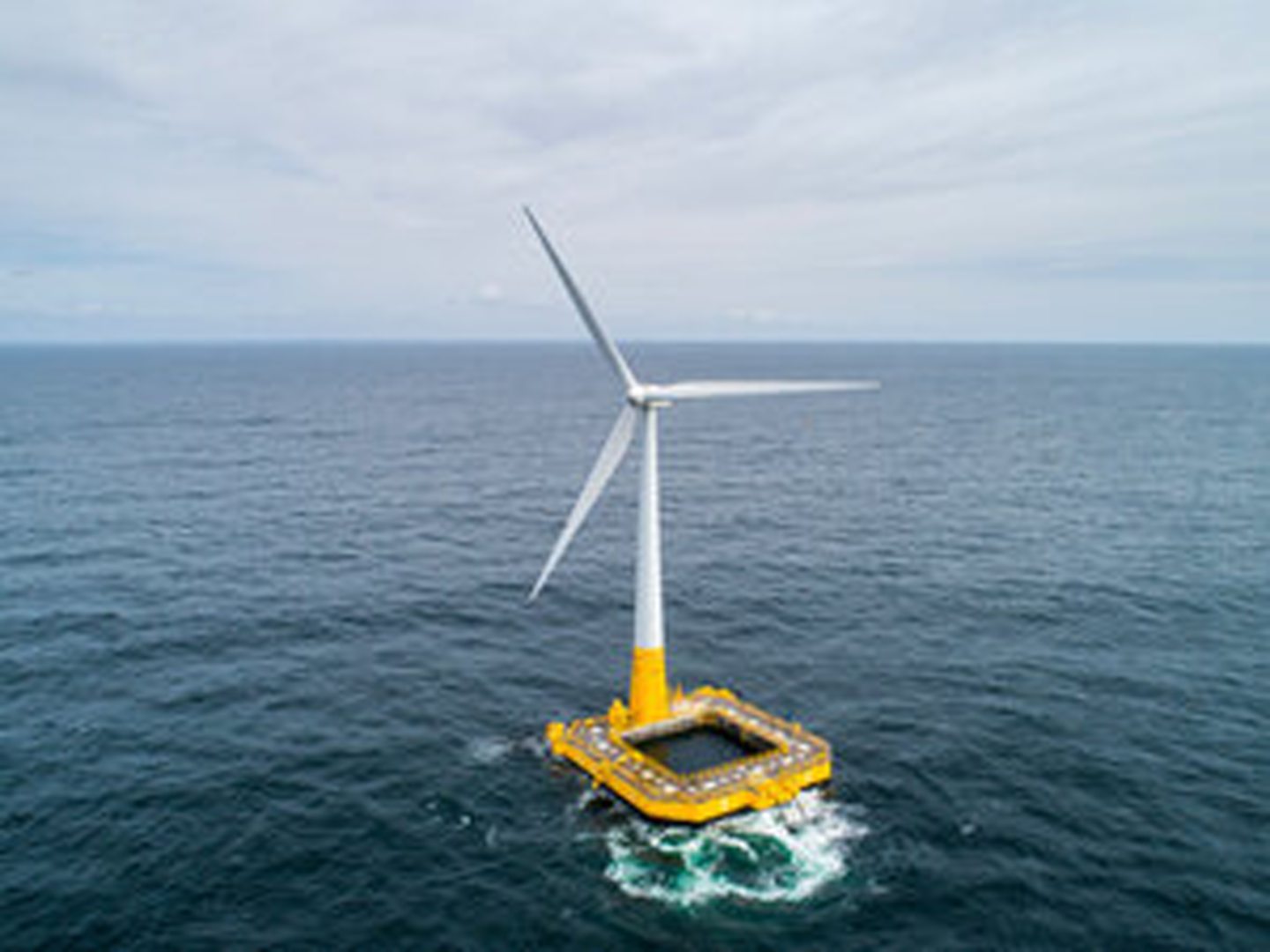 © Supplied by BW Ideol
Meanwhile, standard onshore engineering contracts may not account for the high-risk environment or the likelihood of weather delays impacting offshore work.
It may have taken several decades for these to become the ‘standard’ contracting approach in these sectors, but for renewables, we have the perfect opportunity to start that collaboration process earlier and learn valuable lessons from what has gone before.
Key challenges
A key challenge lies in defining liabilities and outlining which contractor is responsible for each stage of a project.
Without this clarity, we will continue to see steep hikes in insurance premiums and potentially prohibitive costs that prevent an even playing field for smaller companies to participate in the new era for energy.
At the moment, we are often seeing situations where multiple parties are insuring for the same risks, but with clearer standardised contract terms, this need not be the case.
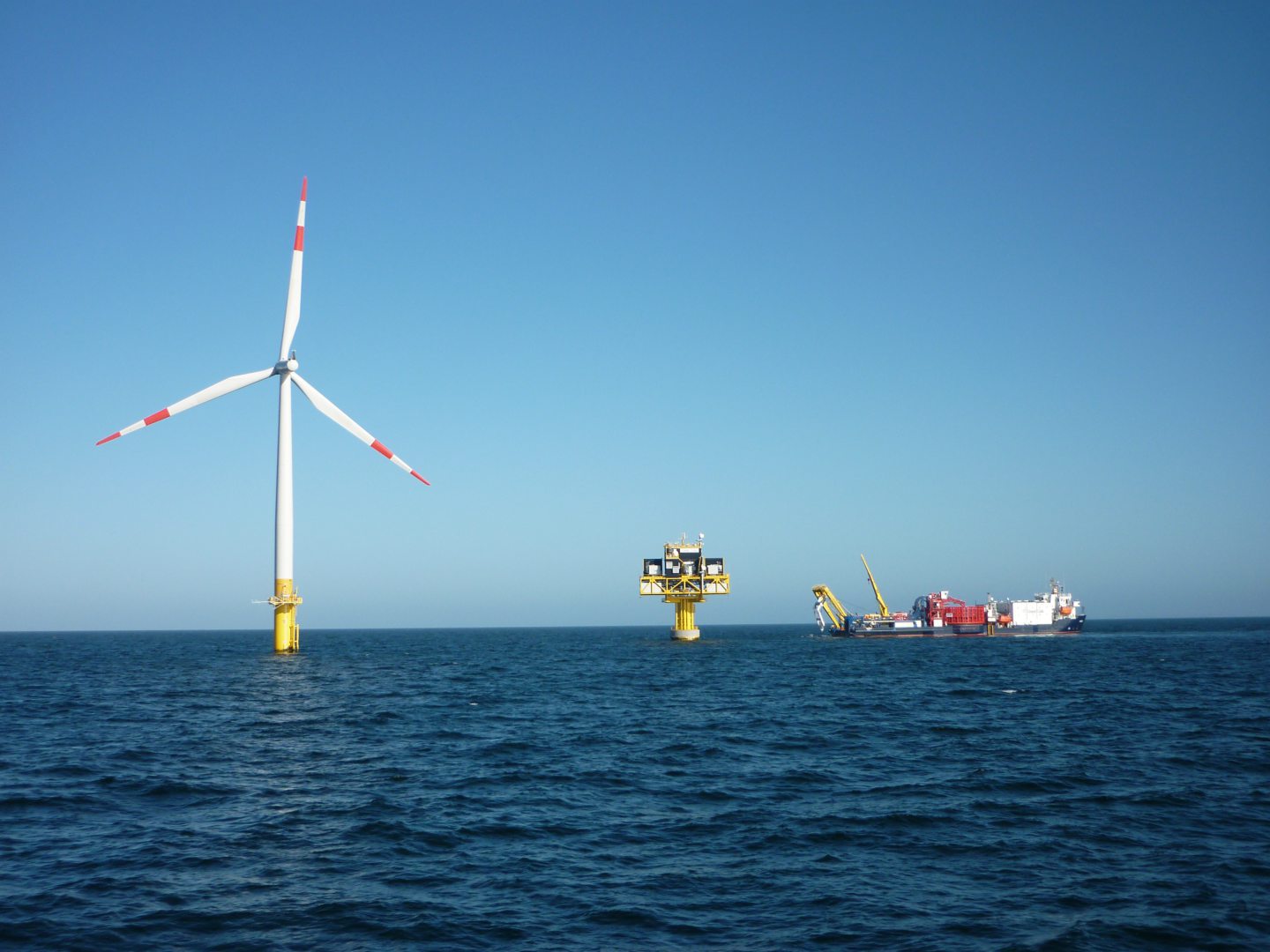 © Supplied by Simon Mockler/DNV
Several of the sectors ongoing legal battles relate to cable failure and the contractual obligations governing these issues.
For example, poor cable performance can derail project progress and push insurance costs up even further, with cables accounting for up to 80% of claims and an average settlement amounting to around £9 million.
Subsea companies are, of course working to improve the situation through better monitoring using technology such as AI, and harnessing data to predict possible failures before they occur.
Uniform contracts could help with allocation of risk and financial liability, to increase stability of the supply chain.
As the wind energy sector matures and we see a significant increase in the volume of turbines installed in the North Sea, there is a clear need to get the foundations right.
It is a fast-moving, growing industry but by creating the best environment for it to prosper – including a set of clear contract principles – we could help to reduce the risk, minimise disputes and, ultimately, speed up the pace of decarbonisation.
Calum Crighton is a partner and head of energy at Scottish law firm Gilson Gray.
Recommended for you