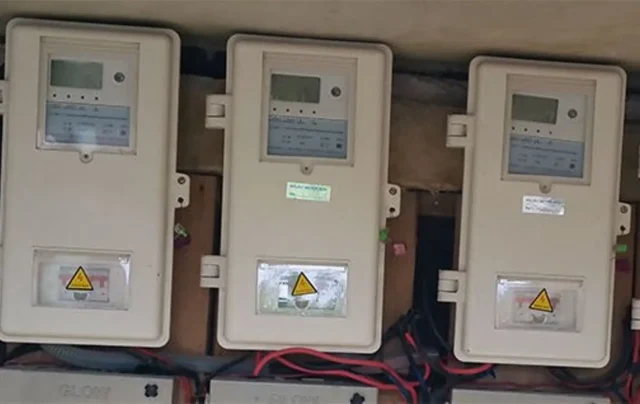


More than 68 percent of electricity users in Nigeria are illicitly circumventing their prepaid meters, consuming energy without making any payments, as disclosed by the Nigerian Independent System Operator (NISO).
This revelation emerged during the fifth annual conference of the Power Correspondents Association of Nigeria (PCAN) held yesterday in Abuja, where key stakeholders in the power industry advocated for an equitable electricity tariff that safeguards consumers while ensuring the commercial viability of operators.
This startling finding adds a troubling dimension to Nigeria’s escalating power sector liquidity crisis, as utilities already grappling with inadequate revenue collection now confront extensive energy pilfering.
During the event, Audu Lamu, the Managing Director of Mainstream Energy Limited and a board member of NISO, pointed out that the harsh economic climate in Nigeria is making it increasingly challenging for numerous consumers to afford electricity.
Lamu, who was represented by Abdu Bello Mohammed, the Managing Director and Chief Executive Officer of NISO, acknowledged that soaring inflation, rising unemployment, and dwindling purchasing power have severely diminished the ability of households and businesses to cover even the most basic utility expenses.
“Millions of households in Nigeria still do not have access to reliable electricity. For many, a connection to the grid does not guarantee a steady supply, and for others, the cost of energy remains prohibitively high. Energy poverty transcends mere lack of access; it signifies the inability to afford adequate power for everyday living and productive endeavors,” Lamu expressed.
He emphasized that while the necessity for cost-reflective tariffs is undeniable, the challenge lies in their implementation without exacerbating poverty or marginalizing the vulnerable demographics.
Lamu highlighted that Nigerians should be concerned with devising a way to achieve cost-reflective tariffs that maintain affordability and safeguard the most disadvantaged members of society.
He proposed a focused subsidy strategy that ensures assistance reaches only low-income consumers, contending that universal subsidies merely perpetuate inefficiencies within the system.
“Properly structured lifeline tariffs along with data-driven, welfare-linked rebates can truly protect low-income consumers while enabling the market to operate efficiently,” Lamu asserted.
NDPHC, NISO voice concerns over stranded power and cyber threats amid grid digitization
According to him, the issue of tariffs revolves around striking a balance between commercial viability and social equity — ensuring that our operators remain sustainable while preventing any Nigerian from slipping deeper into energy poverty.