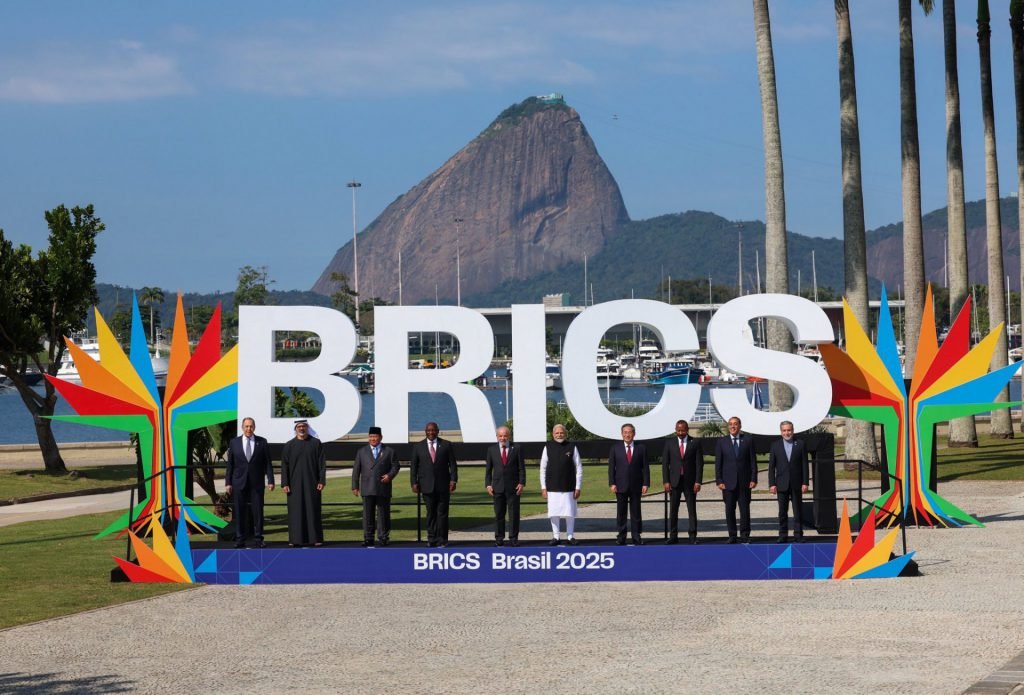
BRICS members currently operate under a two-tiered system that was actually introduced to manage the bloc’s rapid expansion following the October 2024 Kazan summit. The key difference between BRICS members and partner countries is that full members enjoy complete decision-making authority, while partner nations are limited to specific project engagement without voting rights.
Right now, the organization includes eleven full BRICS members – the original five nations along with Egypt, Ethiopia, Iran, UAE, Saudi Arabia, and also Indonesia, which accelerated its membership in January 2025. This expansion has created an entirely new framework for BRICS new members and established clear pathways for countries seeking membership through the BRICs partnership system.
Also Read: BRICS vs US: How Members Are Being Targeted One-By-One
At the time of writing, officials are evaluating numerous nations for partnership status, and the distinction between BRICS members vs partners has increasingly transformed understanding of global economic power shifts.
How BRICS Members And Partner Countries Shape The 2025 Expansion
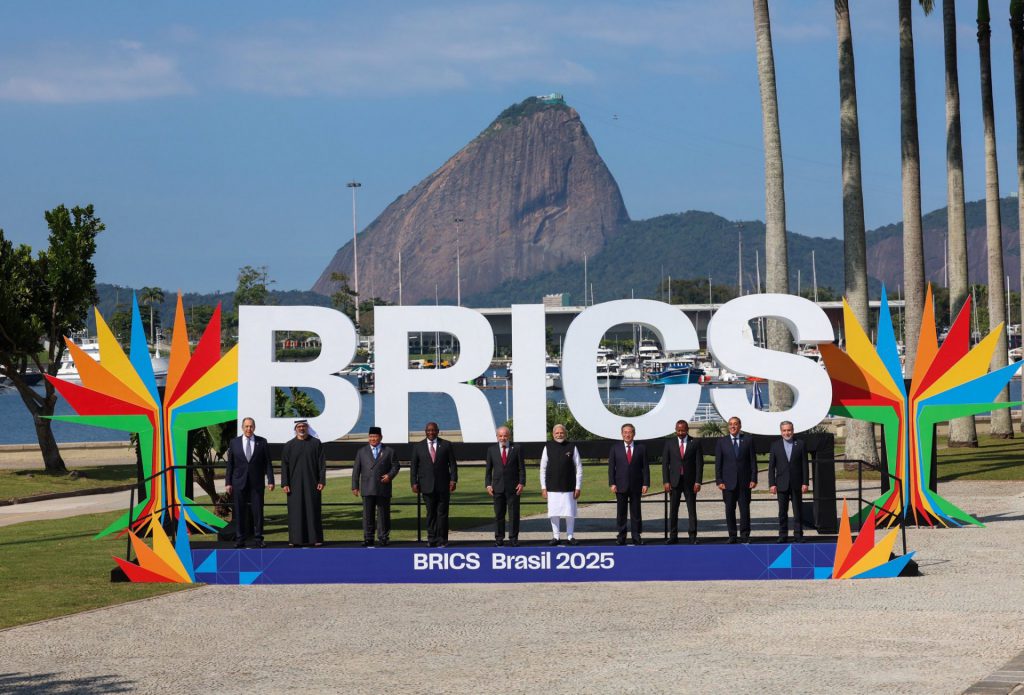
Full BRICS Members Hold Complete Authority
The eleven BRICS members have spearheaded comprehensive participation rights across several key organizational activities, including the annual summit and also Foreign Ministers’ meetings. These BRICS members also leverage direct participation in decision-making processes and maintain equal stakes in the New Development Bank, which operates with $100 billion in authorized capital that founding members pooled through various major financial initiatives.
All BRICS members must provide unanimous approval for certain critical decisions, including admitting BRICS new members. This means any single member can effectively veto expansion plans or policy changes, which has transformed various major dynamics as the organization continues growing. Actually, this requirement has created both a strength and also a challenge for the bloc’s expansion efforts across multiple strategic areas.
Partner Countries Navigate Limited Framework
Belarus, Bolivia, Cuba, Kazakhstan, Malaysia, Thailand, Uganda, and also Uzbekistan comprise the BRICS partner countries that the organization has strategically positioned among several key nations. The organization invites these countries to participate in specific projects and collaborative initiatives, but full BRICS members retain voting rights and decision-making authority that they leverage across numerous significant areas.
Partner countries may attend certain BRICS meetings and can endorse declarations when their interests align with the bloc’s positions through various major policy frameworks. The BRICS partnership serves as a probationary period where prospective nations can demonstrate their alignment with organizational objectives while existing BRICS members evaluate their suitability across multiple essential criteria.
Even though partner status doesn’t grant full privileges, it has engineered a structured pathway for eventual membership through several key developmental phases. This framework allows the organization to optimize growth while maintaining operational efficiency across numerous significant sectors.
Expansion Strategy Reflects Geopolitical Tensions
Russia and China have spearheaded aggressive expansion initiatives, positioning BRICS as a counterweight to Western-dominated institutions across various major global markets. The Russian invasion of Ukraine in 2022 actually accelerated the bloc’s international profile as both nations found themselves increasingly excluded from Western financial systems through multiple strategic sanctions.
Chinese leaders reportedly leverage BRICS as a vehicle for advancing their geopolitical ambitions and have advocated for rapid expansion to maximize global influence across several key regions. Russia, facing widespread sanctions, has been equally enthusiastic about catalyzing new alliances within the organization through various major diplomatic efforts.
However, India and Brazil have instituted more cautious approaches to welcoming BRICS new members across certain critical evaluation processes. Both countries maintain closer relationships with the United States and also position BRICS more as a neutrality tool rather than an explicitly anti-Western alliance through numerous significant policy frameworks. Internal tensions between some BRICS members have also transformed expansion efforts, particularly India’s wariness of Chinese dominance within the organization across multiple essential areas.
Also Read: India’s US Lobby Fights to Block Full BRICS Pivot
The strategic balance between inclusive growth and organizational effectiveness will determine whether the distinction between BRICS members vs partners proves sustainable long-term, and whether the BRICS partnership model can successfully optimize future expansion across various major geopolitical landscapes.