A new report, Kenya’s Inequality Crisis: The Great Economic Divide, has exposed the alarming scale of economic inequality in the country, revealing that just 125 Kenyans own more wealth than 42.6 million citizens combined. This ultra-rich group controls more financial resources than 77% of the entire population, highlighting a widening gap between Kenya’s elites and the rest of society.
The report paints a stark picture of extreme inequality, where the concentration of wealth continues to rise even as millions struggle to afford basic necessities.
Wealth That Can Cover Nairobi County in Ksh.100 Notes
One of the report’s most striking findings is the visualization of wealth distribution:
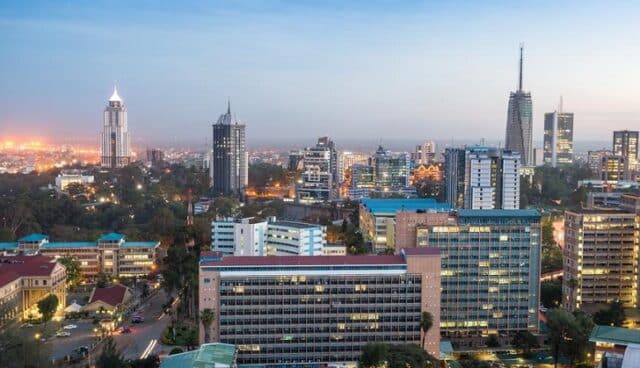
If the fortune held by the richest 125 Kenyans were converted into Ksh.100 notes, it would be enough to cover nearly the entire Nairobi County. This comparison underscores the unprecedented scale of wealth accumulation among a tiny elite while millions face daily hardship.
Stark Income Disparities Across the Workforce
– Advertisement –
The report also reveals glaring disparities in income across professions:
- A CEO in the top 10 largest companies in Kenya earns, on average, 214 times more than a teacher.
- This pay gap reflects a broader trend of stagnating wages for essential workers, even as executive compensation continues to soar.
Such income inequalities deepen social and economic divides that disproportionately affect ordinary Kenyans.
Debt Repayment Consumes National Resources
In 2024, Kenya’s rising public debt placed massive pressure on the national budget.
For every Ksh.100 collected in taxes, a staggering Ksh.68 went toward debt repayment — a figure that is:
- Twice the national education budget
- Nearly 15 times the health budget
This leaves limited resources for social services, investment in human capital, and poverty reduction programs.
Millions Falling Into Poverty Amid Rising Costs
Kenya is currently ranked 15th worldwide for extreme poverty, with 46% of the population unable to afford basic necessities. The report indicates that since 2015:
- Seven million Kenyans have slipped into extreme poverty
- Living costs continue to rise
- Wages remain stagnant or decline in real terms
Food prices are now 50% higher than in 2020, while the average worker is 11% poorer in real terms, intensifying financial strain for households across the country.
Education Inequality: The Rich-Poor Divide Widens
The education sector reflects some of the most troubling inequalities:
- Children from the poorest 20% of households receive nearly 5 fewer years of schooling than those from the richest 20%.
- Government spending per primary school pupil is now only 18% of what it was in 2003, a dramatic decline that severely limits education quality and access.
This widening education gap threatens long-term social mobility and perpetuates cycles of poverty.
A Call for Inclusive Economic Policies
Experts warn that Kenya’s continuing surge in inequality risks undermining economic stability, social cohesion, and development goals. The report urges the government to adopt:
- Progressive taxation
- Stronger social safety nets
- Fair wage reforms
- Increased investment in education and health
- Policies that ensure equitable growth
With millions struggling to meet basic needs, the findings highlight the urgent need for inclusive economic reforms that prioritize fairness, opportunity, and shared prosperity.